Picture this: you walk into your living room on a blistering July afternoon, flip the thermostat, and the cool breeze hits you like a splash of mountain water. No clanking, no sputtering—just pure, reliable comfort that makes you wonder why you ever put up with a shaky system.
Santa Clarita’s sun‑soaked days and crisp evenings put a unique strain on every furnace, heat pump, and AC unit in town. Skipping the basics isn’t an option when the next heat wave rolls in, and a quick, thorough check can keep your equipment humming without surprise breakdowns.
That’s why we’ve boiled down the must‑do tasks into a single, no‑nonsense checklist you can run through each season. Ready to see exactly what you need to do to keep your home climate‑controlled all year long? Keep reading and get the step‑by‑step plan you’ve been waiting for.
Seasonal Overview: Why a Year‑Round HVAC Maintenance Plan Matters in Santa Clarita
Santa Clarita lives on a thermostat swing that would make most homeowners sweat. One minute you’re battling desert‑like heat, the next you’re shivering under a sudden chill. A system that’s only serviced when it breaks is like driving a sports car without oil changes – it’ll run, but you’ll pay for every missed service.
The hidden costs of skipping maintenance
- Reduced efficiency that spikes your electric bill by up to 30%.
- Premature wear on compressors, coils, and heat exchangers.
- Unexpected breakdowns during peak demand, leaving you without comfort when you need it most.
When you schedule a quick check‑up each season, you lock in performance and dodge those surprise expenses. It’s not just about keeping the air cool or the house warm; it’s about protecting your investment and your peace of mind.
What a year‑round plan actually delivers
- Consistent airflow that filters out dust, pollen, and allergens.
- Early detection of leaks, rust, or electrical issues before they become emergencies.
- Extended equipment lifespan, often adding 5‑10 years of reliable service.
In a town where the sun blazes for months and the evenings can drop fast, a proactive maintenance schedule is the smartest move you can make. It’s the difference between a home that breathes easy all year and one that leaves you scrambling for a fix.
Spring Pre‑Cooling Tune‑Up: Essential Tasks Before the Heat Rises
Why spring matters
When the desert‑like mornings in Santa Clarita start to warm, your AC is about to get the workout of a lifetime. A quick spring check‑up catches dust, wear, and low‑grade refrigerant before they turn a mild day into a sweaty nightmare. Think of it as a pre‑flight inspection for your comfort.Do‑it‑yourself quick wins
Grab a ladder, a screwdriver, and a fresh filter. Then run through this short list:- Replace or clean the air‑filter – a clogged filter forces the blower to work harder.
- Inspect the outdoor condenser coils; spray them with a garden hose (low pressure) to melt spring pollen and dust.
- Check the condensate drain line for clogs; a simple vinegar‑water flush keeps water from backing up.
- Verify thermostat settings; calibrate if the display drifts more than 2 °F from the room temperature.
When to call the pros
Even a diligent homeowner can miss the hidden stuff. A certified technician will:- Measure refrigerant charge and adjust it to factory specs.
- Test electrical connections for corrosion or loose wires.
- Examine the fan motor and capacitor for wear; replace before they overheat.
- Run a full system pressure test to ensure the compressor isn’t on the brink of failure.
Schedule this service before May hits its stride, and you’ll dodge the dreaded “AC won’t kick on” call when the sun is already beating down on your roof.

Summer Peak‑Performance Checklist: Keeping Your AC Running Smoothly During Heat Waves
When the Santa Clarita sun blazes at 100 °F, your AC becomes the lifeline of the house. One missed step can turn a cool oasis into a sweaty nightmare. Follow this checklist and you’ll stay ahead of the heat.
Air Filter & Coil Care
- Swap the filter every 30 days during peak summer. A clogged filter forces the blower to work harder.
- Inspect the evaporator coil for dust buildup. A quick brush‑off with a soft brush restores airflow.
- Check the coil’s fins for bends. Straighten them with a fin comb to avoid hot spots.
Clean coils mean the refrigerant can absorb heat efficiently. Less strain equals lower electric bills and a quieter unit.
Condensate Drain & Thermostat
- Flush the condensate line with a cup of bleach and water. Prevents mold and water damage.
- Verify the thermostat is set to “cool” and calibrated. An off‑by‑2 °F setting can waste energy.
- Test the “auto‑restart” feature. If the power trips, the system should kick back on without you lifting a finger.
These quick checks keep the system from leaking and ensure you’re not paying for phantom cooling. Stay cool, stay in control.
Fall Furnace & Heat‑Pump Prep: Preparing for Cooler Nights and Energy Efficiency
When the leaves start to turn, your HVAC system switches from fighting heat to battling cold. That shift puts extra demand on furnaces and heat pumps, so a quick once‑over can stop a costly breakdown before it even starts. Think of it as a pre‑flight check for your home’s comfort engine.
Key Tasks for a Smooth Transition
- Inspect and clean the blower motor – dust builds up all year; a clean motor runs quieter and uses less power.
- Check the heat exchanger for cracks – a tiny fissure can turn a cozy night into a safety hazard.
- Replace or tighten the furnace filter – a clogged filter forces the fan to work harder, spiking your bill.
- Test the thermostat calibration – make sure the reading matches the actual room temperature.
Pro Tips to Save Money
- Seal any duct leaks you find; even a small gap can waste up to 30% of heated air.
- Schedule a professional combustion analysis – it verifies that your furnace is burning fuel efficiently.
- Turn down the water heater to 120°F; you’ll still have hot showers, but the furnace won’t have to fight extra heat loss.
Winter Emergency‑Ready Inspection: Safety Checks and Backup Strategies for Cold Spells
When the temperature drops below freezing, your HVAC system becomes a lifeline. Missing a single safety check can turn a chilly night into a costly disaster, especially in Santa Clarita where sudden cold snaps catch many off guard.
Why Winter Prep Saves You Money
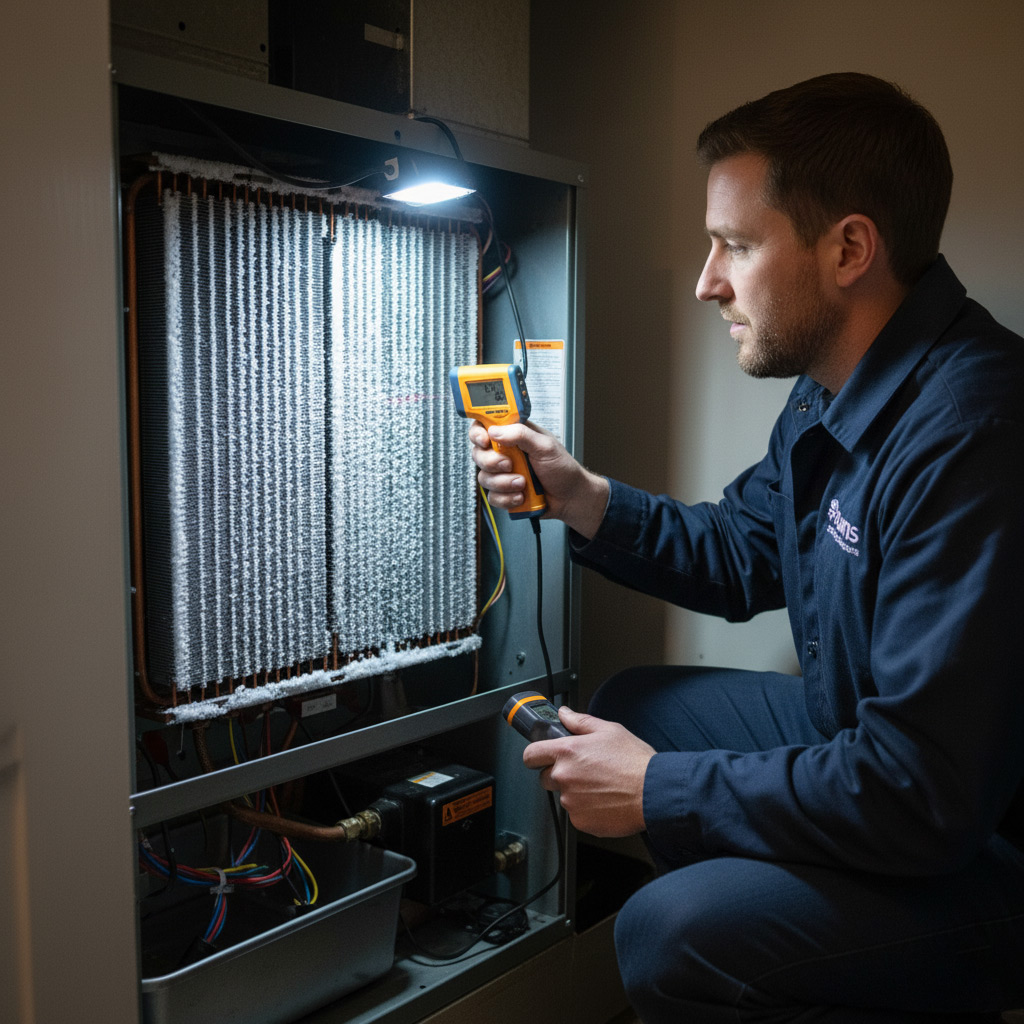
Cold weather puts extra strain on heat exchangers, fans, and ductwork. A quick visual sweep can spot problems before they snowball.
- Inspect the furnace flame sensor – a dirty sensor can cause short cycling and waste fuel.
- Check the condensate drain for clogs; frozen water can overflow and damage the unit.
- Test the carbon monoxide detector near the furnace; replace batteries if needed.
Backup Power & Heat Sources
Power outages are more than an inconvenience; they can freeze pipes and leave you shivering. Having a plan means you stay warm without panic.
- Keep a portable generator rated for at least 5,000 watts; run it outdoors and follow the manufacturer’s safety guidelines.
- Store a supply of fire‑safe space heaters; choose models with automatic shut‑off features.
- Consider a battery‑backed thermostat that maintains settings during a blackout.
When to Call the Pros
Some tasks are best left to certified technicians. A professional eye catches hidden leaks, worn belts, and electrical issues that DIY checks miss.
- Schedule a full furnace tune‑up before the first frost.
- Ask the tech to perform a combustion analysis; it ensures safe, efficient burning.
- Request a pressure test on your gas lines to rule out leaks.
Real‑World Success: Santa Clarita Homeowner Case Study of a Complete Maintenance Overhaul
The Situation
When the Martinez family moved into their 2,300‑sq‑ft ranch in Valencia, the HVAC system was a relic from the early 2000s. Frequent short‑cycles left the house sweating in July and shivering in December.
They called us after a scorching June night when the AC sputtered and the thermostat displayed an error code.
- Dirty air filters clogged the airflow.
- Coils were coated in grime, reducing heat exchange.
- Thermostat calibration was off by 5 °F.
The Overhaul
Our techs performed a full‑season sweep, treating each component like a high‑stakes race car.
Key actions included:
- Replacing all filters with high‑efficiency pleated models.
- Cleaning evaporator and condenser coils using a low‑pressure spray.
- Inspecting and tightening refrigerant lines; recharging to manufacturer specs.
- Calibrating the smart thermostat and updating firmware.
- Testing safety controls on the furnace and heat pump.
The Payoff
Within a week, the Martinez home reported a 22 % drop in energy bills and a noticeable drop in indoor humidity.
They also gained peace of mind: the system now runs smoothly through a 105 °F heat wave and never trips the safety shutoff during a December freeze.
- Annual savings: roughly $450.
- Extended equipment life: an estimated 5‑year boost.
- Comfort level: “Feels like a spa,” says the homeowner.
Final Words
Now that you’ve got the seasonal playbook in hand, the real work starts when you pick up the phone or click a button. Don’t wait for a breakdown to prove the checklist works. A quick call to a certified Santa Clarita tech can lock in your next service window and keep the comfort dial set just right.
What to do next
- Mark your calendar for the four seasonal dates – spring, summer, fall, winter.
- Save the contact info of a local, licensed HVAC contractor.
- Set a reminder to review the checklist before each season kicks in.
When you’re ready to turn the plan into action, head over to our HVAC Maintenance page. There you’ll find a simple form, a list of services, and the assurance that Santa Clarita’s toughest weather won’t catch you off guard.
People Also Ask
How often should I schedule HVAC maintenance in Santa Clarita?
Most experts recommend a professional inspection twice a year—once in spring and once in fall—to keep both cooling and heating systems running efficiently.
What are the most common HVAC problems in Santa Clarita’s climate?
Dusty filters, refrigerant leaks, and worn fan belts are frequent issues due to the region’s dry summers and cooler evenings.
Can I perform any HVAC maintenance tasks myself?
Yes, homeowners can replace or clean filters, clear debris around outdoor units, and check thermostat settings; however, complex tasks like coil cleaning should be left to licensed technicians.
How does regular HVAC maintenance affect energy bills?
Keeping components clean and calibrated improves system efficiency, often reducing monthly energy costs by 10‑15%.
What should I do if my HVAC system fails during a heat wave?
Turn off the system to prevent further damage, check the circuit breaker, and contact an emergency HVAC service in Santa Clarita for prompt repairs.

Santa Clarita HVAC is a trusted local provider specializing in heating, ventilation, and air conditioning services. With years of experience serving the Santa Clarita community, their team delivers reliable solutions tailored to the unique needs of the area. Committed to quality and customer satisfaction, Santa Clarita HVAC ensures homes and businesses stay comfortable year-round.
Need HVAC?
We provide fast, results‑focused services for residential and commercial projects throughout Santa Clarita and nearby ZIPs (91350, 91351, 91354, 91355, 91390). Our teams deliver completed work on schedule, so you can move forward without delay.
Request a fast quote