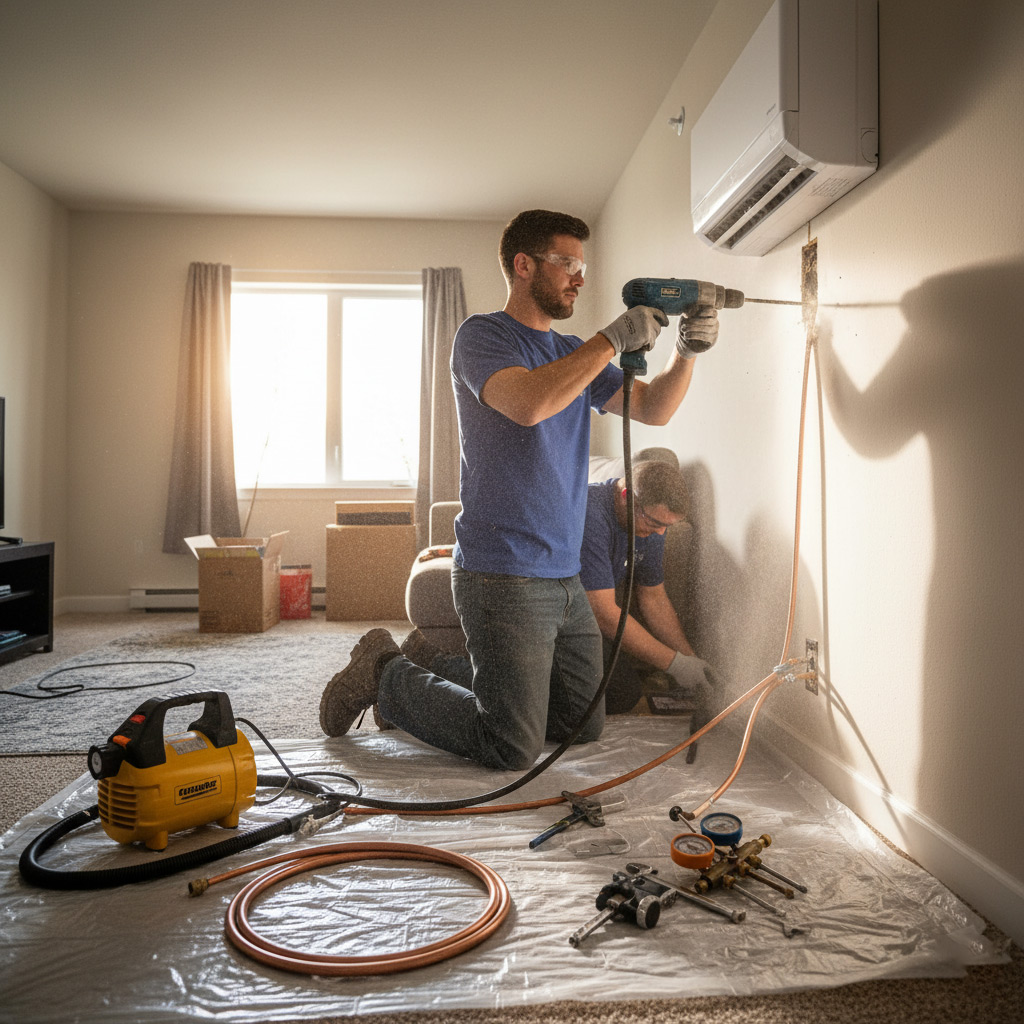
Picture this: your heat pump sputters, the house starts to feel like a sauna, and the repair bill flashes a number that could fund a new roof. In Santa Clarita, that scenario isn’t just uncomfortable—it’s a cash‑drain that can climb into the thousands if you wait too long.
Most homeowners think a little noise or a slight temperature dip is normal, but those early warnings are the cheap tickets to a pricey disaster. Spotting the problem before it spirals can keep your budget intact and your comfort level high.
From a whine that sounds like a dying cat to a sudden spike in your electric bill, the clues are there—you just have to know what to look for. Ignoring them is like tossing a leaky bucket into a desert; you’ll end up paying for every drop you lose.
Now that you see why catching a faulty heat pump early matters, let’s dive into the tell‑tale signs you can’t afford to ignore.
Common Early Warning Signs of a Failing Heat Pump
When a heat pump starts to misbehave, it rarely does so in silence. The first clues are often audible, and they don’t wait for winter to announce themselves.
What to Listen For
- Rattling or clanking – like a loose pipe rattling in a basement.
- Squealing or whistling – a sign the motor is straining.
- Rapid start‑stop cycles – the unit can’t hold a steady temperature.
These noises are more than just annoyances; they’re the system’s way of screaming for help. Ignoring them lets the problem fester and the repair bill balloon.
Other Red Flags
- Air that feels weak or uneven across rooms.
- Frost building on the outdoor coil in mild weather.
- Sudden jump in your electric bill – the pump is working harder than it should.
- Water pooling near the indoor unit – a leak in the condensate line.
Each of these symptoms points to a component that’s losing its edge. Spot them early, and you’ll keep comfort high and costs low.
DIY Diagnostic Steps: What Homeowners Can Check Safely
Before you dial a tech, grab a flashlight and a notepad. A quick visual sweep can reveal problems that would otherwise cost you a small fortune.
Check the thermostat and basic controls
Make sure the thermostat is set to “heat” and the temperature is higher than the current room temp. Verify the batteries aren’t dead and the display isn’t flashing an error code.
- Turn the system off, wait a minute, then power it back on – a simple reset clears many hiccups.
- Look for loose wires behind the thermostat cover; a loose connection can mimic a failing pump.
Inspect the outdoor unit
Clear away leaves, twigs, and any debris that might be choking the fan. A clean coil runs cooler and puts less strain on the compressor.
- Pull the protective grille off and give the fan blades a gentle wipe with a soft cloth.
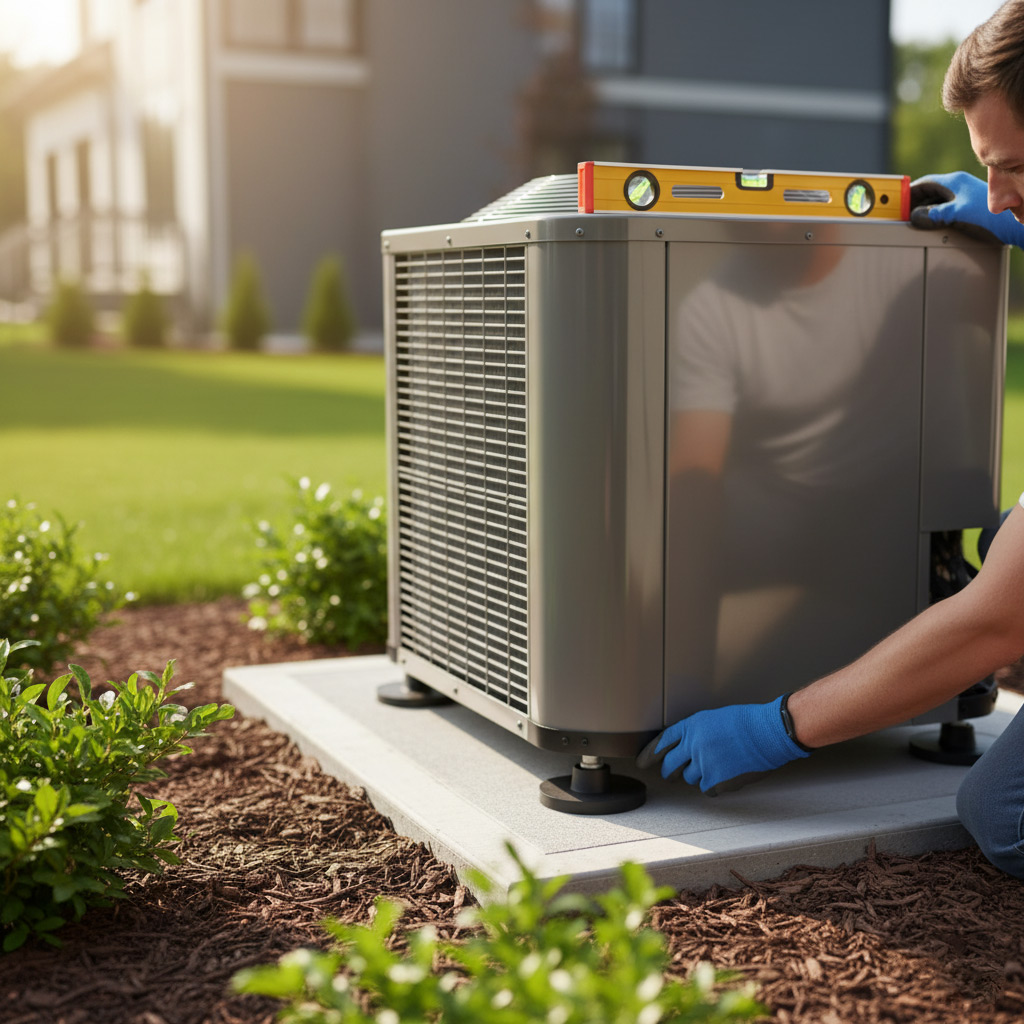
- Check the unit’s legs – they should be level. An uneven base causes vibration and premature wear.
Listen and feel for odd behavior
Turn the heat pump on and stand a few feet away. A steady hum is normal; a rattling or squealing sound is a red flag.
- Place your hand on the refrigerant lines; they should be warm on the supply side and cool on the return side.
- If the unit cycles on and off rapidly (short‑cycling), note the timing – that often points to a refrigerant issue or a clogged filter.
Red Flags That Demand Immediate Professional Attention
Zero or Weak Airflow
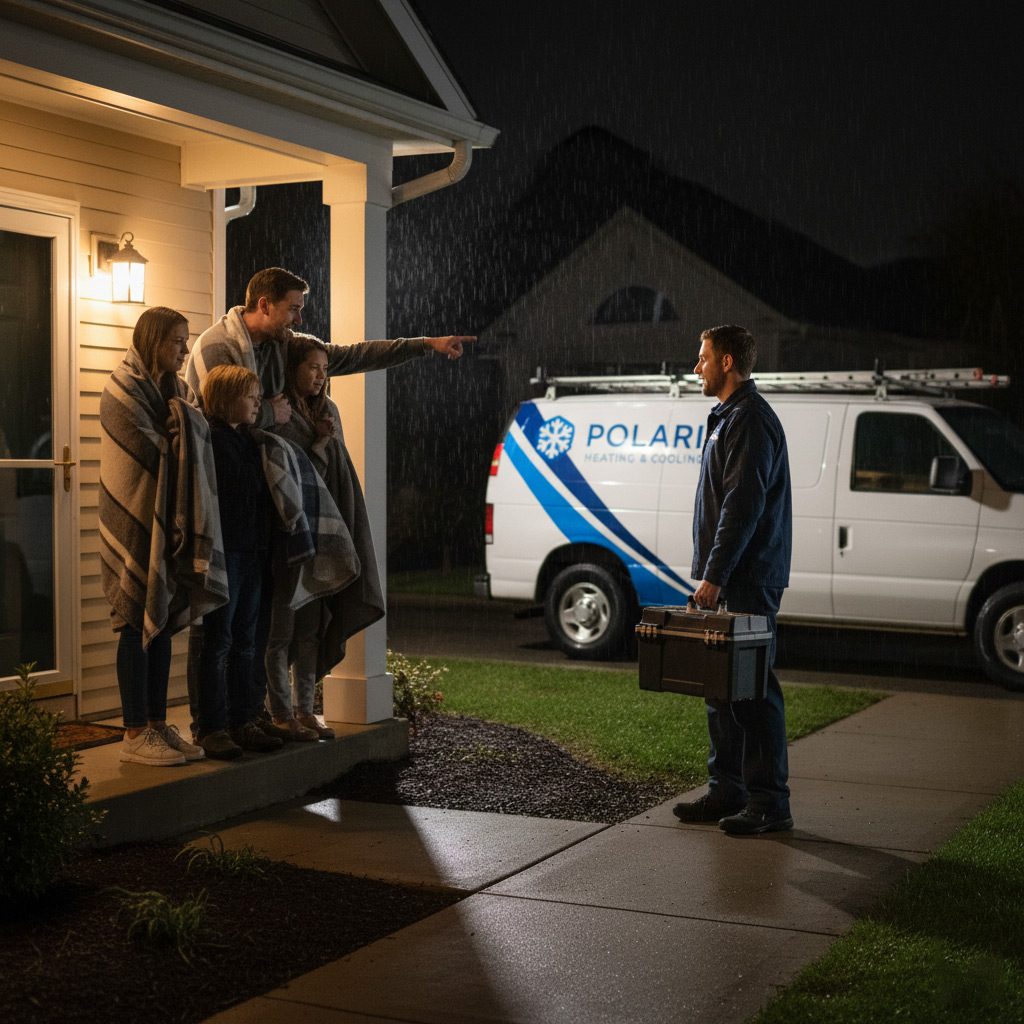
If rooms feel like a refrigerator or a furnace, the heat pump is probably not moving air at all. Don’t wait—a blocked blower or a seized motor can overheat the system in minutes. Call a tech before the compressor burns out.
- Air feels stagnant or barely warm
- Vent grilles are icy or covered in frost
- Thermostat shows “system off” despite the fan being on
Strange Noises & Leaks
A grinding, squealing, or high‑pitched whine isn’t “normal wear”; it’s a warning that internal parts are failing. Water pooling around the unit signals a refrigerant leak or a clogged condensate line, both of which can cause serious damage.
- Rattling or clanking during start‑up
- Hissing or bubbling sounds while running
- Visible water or puddles under the unit
Electrical & Smell Alerts
Sudden spikes in your electric bill paired with a faint burning odor mean the motor or wiring is overheating. Those signs are a fast track to a fire hazard, so shut the system off and get a licensed electrician or HVAC pro on the scene.
- Burnt plastic smell near the unit
- Tripped breakers or blown fuses
- Flashing error codes on the thermostat display
Financial Impact: Comparing Early Repair Costs to Delayed Disaster Expenses
When a heat pump starts acting up, the first instinct is often “let’s wait.” That wait can turn a $300 fix into a $2,500 replacement. Early intervention saves money because it stops a small problem from becoming a cascade of failures.
What the numbers look like
- Minor refrigerant leak – $150‑$300 to seal and recharge.
- Worn compressor motor – $600‑$1,200 for a rebuild.
- Full system failure – $2,000‑$3,500 for a new unit plus installation.
Those figures aren’t random; they’re based on typical Santa Clarita service calls. Fix it now and you stay in the $150‑$1,200 range. Let it fester and you’re looking at a six‑figure annual energy bill spike before the repair even begins.
Consider the hidden costs, too: higher electricity usage, a cracked furnace that needs extra heating, and the inconvenience of a broken system during a heat wave. Those add up fast, turning a quick call to a technician into a weekend of sleepless nights and a dent in your savings.
Preventative Maintenance Strategies to Keep Your Heat Pump Running Efficiently
Think of your heat pump like a car—you don’t wait for the engine to seize before you change the oil. A little routine love keeps the compressor humming and the bills low.
Seasonal Check‑ups
Before the summer scorch or the winter chill hits Santa Clarita, give the unit a once‑over.
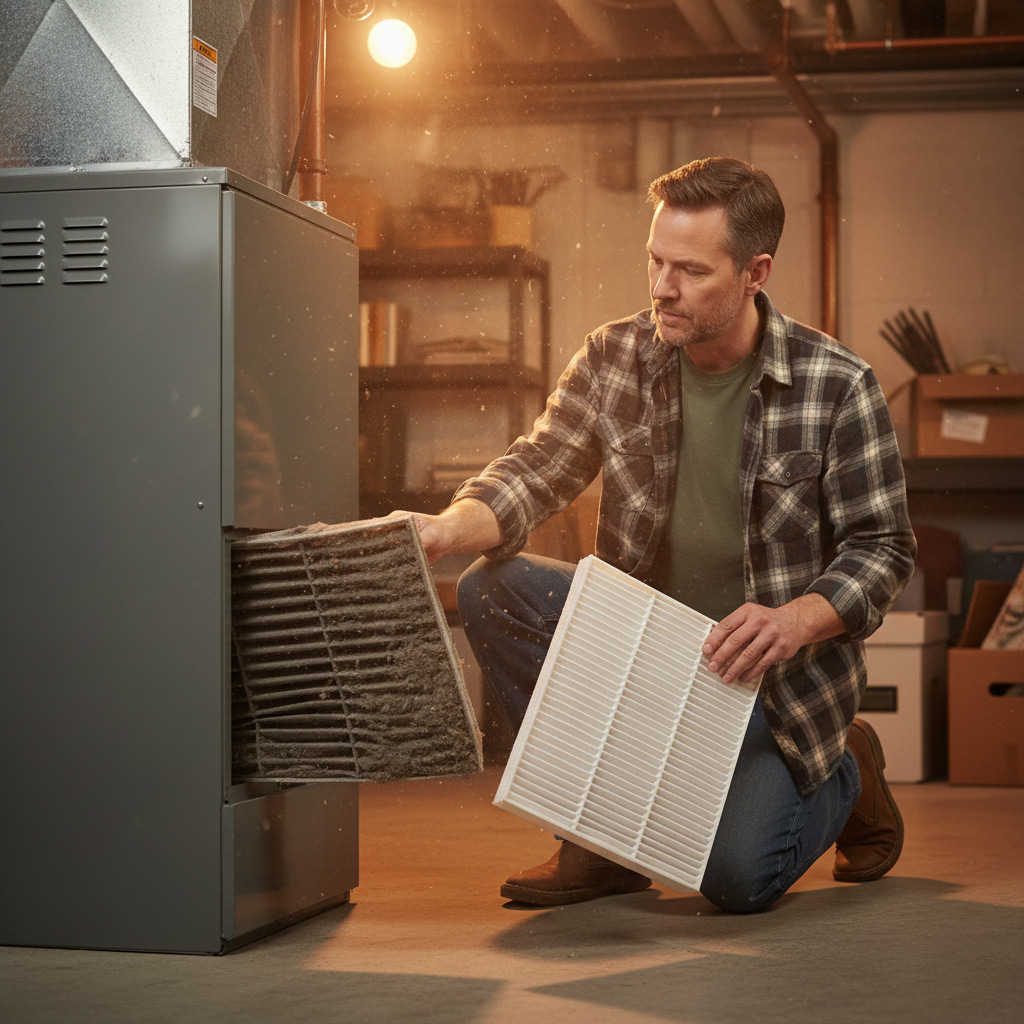
- Clean or replace the air filter every 30‑45 days; a clogged filter forces the system to work harder.
- Wipe the outdoor coils with a garden hose—no pressure washer, just a gentle spray to clear dust and pollen.
- Inspect the condensate drain for blockages; a slow drip can turn into a flood.
Monthly Quick‑Look
Set a calendar reminder and spend five minutes around the thermostat.
- Verify the temperature setting matches the season; an off‑by‑a‑few‑degrees setting spikes electricity use.
- Listen for odd rattles or whines; early noises often mean a loose fan blade or motor bearing.
- Check the refrigerant lines for frost; a thin layer of ice can signal a low‑charge problem.
Annual Pro Tune‑Up
Even the savviest DIYer needs a licensed tech to dive deep once a year.
- Have the technician lubricate moving parts and tighten electrical connections.
- Ask for a pressure test on the refrigerant circuit; catching a leak early saves thousands.
- Request a full system performance report so you know exactly where efficiency stands.
Case Study: Early Detection Saved a Santa Clarita Homeowner Thousands on Heat Pump Repair
The Situation
When the Martinez family noticed a faint rattling every time the heat pump kicked on, they assumed it was just “normal wear.” That night, the thermostat hovered at 68 °F while the furnace was humming at full blast. They called us before the house turned into a sauna.
The Fix
Our tech ran a quick pressure test and found a refrigerant leak in the suction line. The Martinez’s quick call let us replace the coil and seal the leak before the compressor burned out. The whole job took under two hours.
Money Saved
Here’s how the numbers broke down:
- Early repair parts & labor: $1,200
- Potential compressor replacement (delayed): $3,800
- Energy waste from a failing pump (first 3 months): $250
- Total avoided cost: $2,850
Because the Martinez family acted fast, they avoided a full‑system failure that would have hit their wallet hard. Their story proves that a few minutes of attention today can keep thousands out of your pocket tomorrow.
Final Words
When you catch a heat‑pump issue early, you’re not just saving money—you’re protecting the comfort of every room in your Santa Clarita home. A little vigilance now prevents a nightmare later, and the payoff shows up on your utility bill and your peace of mind.
Take Action Today
- Listen for odd noises and note any temperature swings.
- Run the quick DIY checks we covered—filters, thermostat settings, and outdoor unit clearance.
- If anything feels off, schedule a professional inspection before the next season hits.
Don’t wait for the heat pump to quit on you. A prompt call to a certified Heat Pump Repair specialist can turn a potential disaster into a routine tune‑up, keeping your system humming and your wallet happy.
People Also Ask
What are the first signs that my heat pump is failing?
A noticeable drop in heating efficiency, unusual noises like grinding or squealing, and frequent short‑cycling are early warning signs. You may also see higher energy bills or inconsistent indoor temperatures.Can I safely diagnose heat pump problems myself?
Yes, homeowners can check the thermostat settings, inspect the outdoor unit for debris, and listen for abnormal sounds. However, always turn off power before opening panels and avoid handling refrigerant lines.When should I call a professional for heat pump repair in Santa Clarita?
Call an HVAC technician immediately if you detect refrigerant leaks, see burnt wiring, or experience a complete loss of heating or cooling. These issues require certified expertise to prevent safety hazards and costly damage.How much can early heat pump repair save compared to waiting for a major failure?
Early repairs typically cost a few hundred dollars, while a major failure can exceed $3,000 due to component replacement and labor. Prompt attention also avoids secondary damage to ducts and home comfort systems.What routine maintenance keeps a heat pump running efficiently?
Schedule bi‑annual professional tune‑ups, clean or replace air filters monthly, and keep the outdoor coil free of leaves and dirt. Regularly checking refrigerant pressure and lubricating moving parts also extends lifespan.
Santa Clarita HVAC is a trusted local provider of heating, ventilation, and air conditioning services in Santa Clarita, CA. With years of experience, their team delivers expert solutions tailored to the unique needs of the community. Committed to quality and reliability, Santa Clarita HVAC ensures every customer receives professional care and lasting comfort.
Need HVAC?
We provide fast, results‑focused services for residential and commercial projects throughout Santa Clarita and nearby ZIPs (91350, 91351, 91354, 91355, 91390). Our teams deliver completed work on schedule, so you can move forward without delay.
Request a fast quote