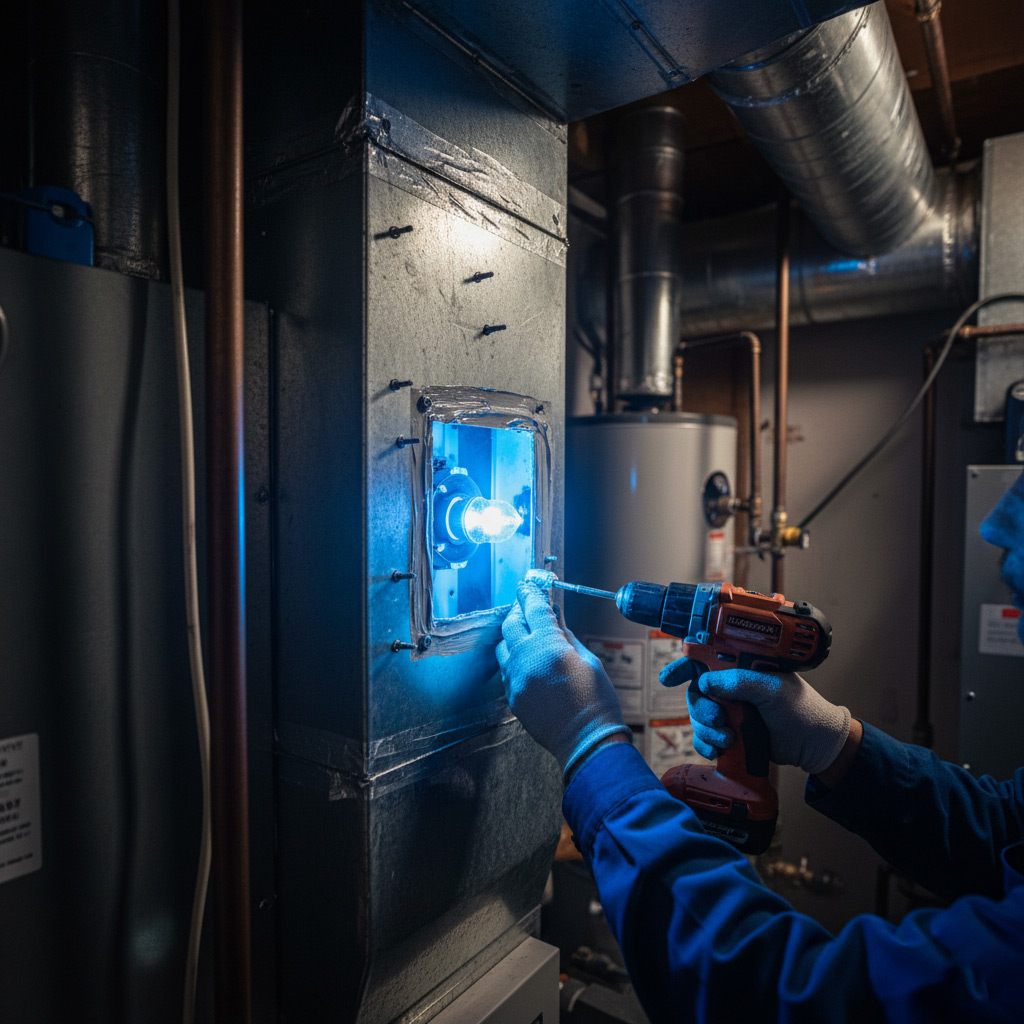
Picture this: you step into your Santa Clarita home, the air feels just right, and you never have to wonder if the system you paid for is actually doing its job. That’s the power of a smart HVAC layout, and it’s within reach for anyone willing to ditch the guesswork.
Santa Clarita’s sunny days and chilly evenings demand a system that can pivot on a dime. A well‑designed setup doesn’t just keep you comfortable—it saves you from surprise repair bills and wasted energy.
In the next few minutes we’ll break down the exact moves you need to make your HVAC work like a well‑tuned orchestra, no PhD required. Ready to turn your home’s climate control into a smooth, reliable partner? Keep reading and we’ll walk you through every step.
Understanding Santa Clarita Climate & Load Calculations
Santa Clarita lives in a sweet spot between desert heat and mountain chill. Summer temps can soar past 95°F, while evenings in winter dip into the 30s. That swing means your HVAC has to be ready for both extremes without breaking the bank.
Why Climate Drives Your Load Numbers
Every degree you shave off the thermostat saves dollars, but only if the system is sized right. An oversized unit will cycle on and off, wasting energy and shortening component life. Undersized gear will run nonstop, leaving you sweaty and your utility bill screaming.
To hit the sweet spot, you need a proper Manual J load calculation. It looks at:
- Square footage – bigger rooms need more airflow.
- Window orientation – south‑facing glass adds heat in summer.
- Insulation levels – R‑value matters more than you think.
- Ceiling height – higher ceilings increase volume.
- Occupancy & appliance heat – people and kitchens generate warmth.
Plug those numbers into a trusted calculator or let a certified technician run the math. The result? A system that runs steady, stays quiet, and keeps your wallet happy.
Choosing the Right HVAC System Type for Your Home
Not every HVAC setup fits a Santa Clarita house. You need a system that matches your floor plan, budget, and the way you live. Pick the wrong one and you’ll be fighting the thermostat all winter and summer.
Split‑System Air Conditioners & Furnaces
These are the classic “two‑piece” combo most homeowners recognize. One outdoor condensing unit talks to an indoor furnace that handles heat. They’re a solid choice when you have a separate duct network already in place.
- Pros: Easy to service, widely available, cost‑effective for average homes.
- Cons: Requires separate heating and cooling units, less efficient in extreme heat.
- Best for: Homes with existing ducts and a clear split between heating and cooling zones.
Heat Pumps (Air‑Source or Mini‑Split)
Heat pumps pull heat from the outside air—even when it’s chilly—and push it inside. In reverse, they act like an air conditioner. Modern units run on variable‑speed compressors, so they stay quiet and cheap to run.
- Pros: One device does both heating and cooling, lower utility bills, qualifies for rebates.
- Cons: Performance dips in sub‑zero temps, may need a backup heater for harsh winters.
- Best for: Energy‑savvy owners who want a single, smart solution.
Packaged Units
A packaged unit lives on the roof or a concrete slab, housing all components in one metal box. It’s a space‑saver for homes where attic or basement space is at a premium.
- Pros: Compact footprint, simple installation, good for new builds.
- Cons: Harder to service, can be louder, less flexible for zoning.
- Best for: Smaller homes or remodels where ductwork is limited.
Designing Efficient Ductwork and Zoning Strategies
Why Duct Layout Matters
Every foot of duct is a chance to lose heat or cool air. Short, straight runs keep the temperature where you want it. Twists, turns, and long stretches act like a leaky bucket – you pay for air that never reaches the room.
Seal every joint with mastic, not cheap foil tape. A well‑sealed system stops drafts before they start. The result? Lower bills and a system that actually does what it’s paid for.
Zoning: One System, Many Comfort Zones
Think of zoning as giving each part of your house its own thermostat. Living rooms get a boost in the evening, bedrooms stay cool at night. No more fighting over the thermostat.
Install motorized dampers in the main trunk line. They open and close based on demand, directing airflow exactly where it’s needed. Pair them with smart thermostats and you’ve got a climate orchestra that plays on cue.
- Map out supply and return runs before you cut any metal.
- Keep ducts at least 6 inches away from insulation to avoid condensation.
- Use rectangular ducts for long runs; round ducts work best for short hops.
- Balance the system with a professional test – it’s a cheap insurance policy.
Integrating Smart Controls and Energy‑Saving Technologies
Think of your HVAC system as a team of players, each with a microphone that talks to the coach. The coach? A smart thermostat that knows when you’re home, when you’re out, and when the sun is beating down on your roof. One click, and the whole crew adjusts.
Why a Smart Thermostat Is a Game‑Changer
Modern thermostats do more than set a temperature. They learn your schedule, read humidity, and even sync with your phone. Result? You stop paying for heating or cooling you never use. A few key features to look for:
- Geofencing – knows when you’re in the driveway.
- Adaptive recovery – starts the system early enough to hit the set point on time.
- Energy reports – shows you exactly where the dollars are disappearing.
Wireless Sensors & Zoning Made Simple
Put a sensor in the master bedroom, another in the den, and let them whisper to the thermostat. The system then creates micro‑zones that run only where needed. No more fighting over the thermostat knob.
When you pair sensors with motorized dampers, you get:
- Targeted comfort in high‑use rooms.
- Reduced load on the main unit.
- Lower utility bills without sacrificing comfort.
Energy‑Saving Add‑Ons Worth the Investment
Beyond the thermostat, a few gadgets can squeeze extra efficiency out of your setup. Variable‑speed compressors, for example, ramp up slowly instead of blasting full power. Heat‑recovery ventilators pull fresh air while reclaiming heat that would otherwise be wasted.
Other smart upgrades to consider:
- Smart vents that close off empty rooms.
- Demand‑response modules that respond to utility signals.
- Solar‑compatible controllers for future expansion.

Proper Sizing, Installation, and Commissioning Best Practices
Get the Size Right
Before you even think about a unit, run a Manual J load calculation. It tells you exactly how many BTUs your Santa Clarita home needs for each season.
- Square footage – measure every livable space, not just the main floor.
- Window orientation – south‑facing windows add heat, north‑facing pull it out.
- Insulation levels – a well‑insulated attic can shave 10‑15% off the load.
Installation Must‑Do’s
A perfect size means nothing if the install is sloppy. Follow these steps to keep the system humming.
- Seal all duct joints with mastic, not cheap foil tape.
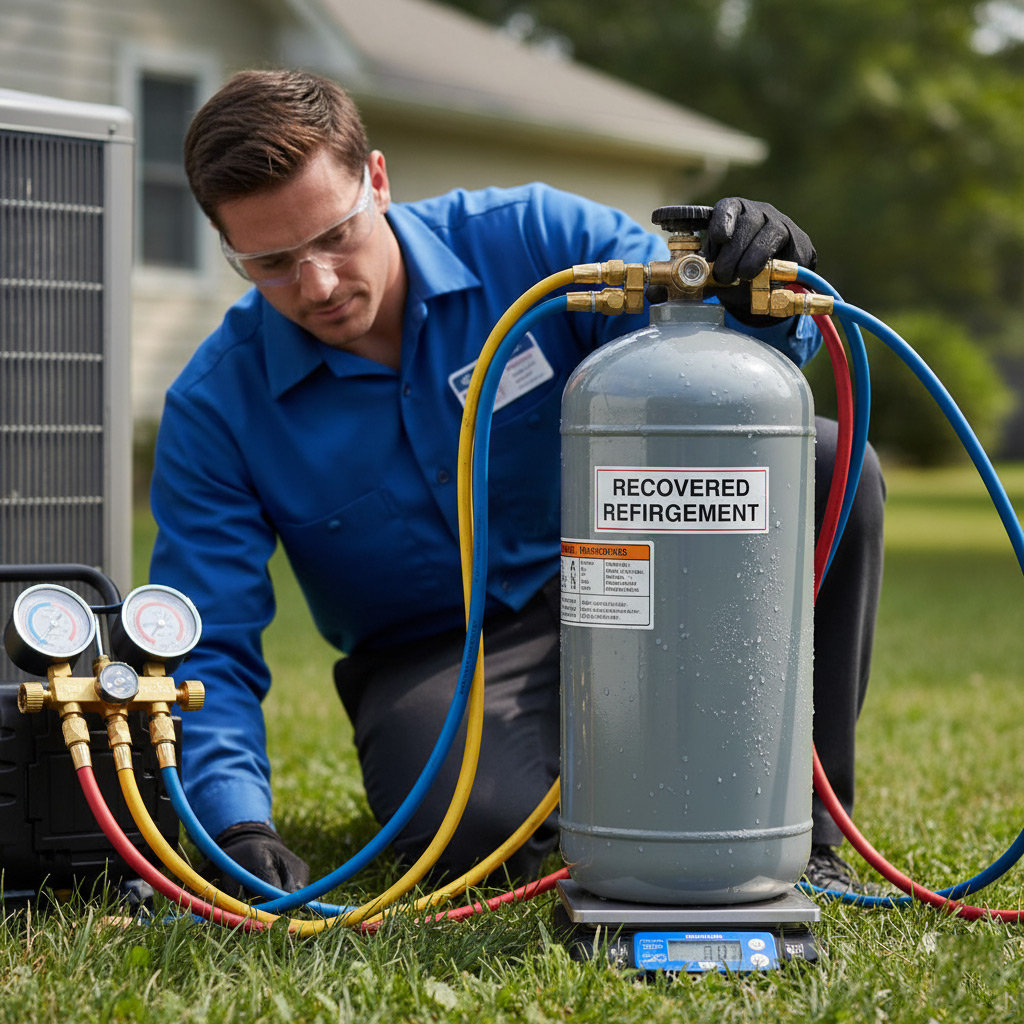
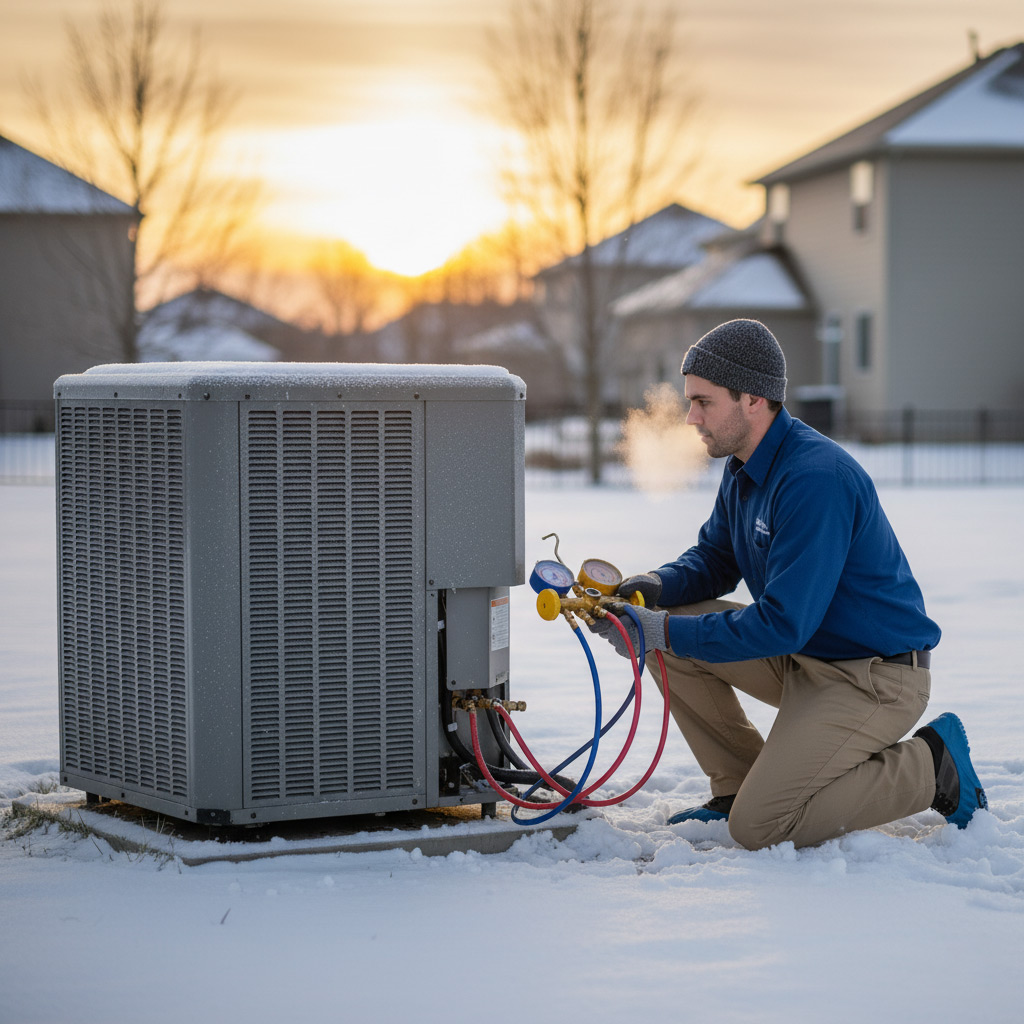
- Verify refrigerant charge with a calibrated gauge; under‑charged units run hot, over‑charged units waste power.
- Mount the outdoor condenser on a level pad with proper clearance – at least 24″ from walls.
Commissioning Checklist
Commissioning is the final test that separates a “good” install from a “great” one. Run through the list before you sign off.
- Balance airflow – adjust dampers until each room hits its design temperature.
- Program the thermostat with a smart schedule that matches your daily routine.
- Document all settings, refrigerant levels, and test results for future service calls.
Case Study: Transforming a Santa Clarita Home with a Smart HVAC Design
Background & Challenge
Homeowner Maria owned a 2,300‑sq‑ft ranch in Valencia that constantly swung between scorching afternoons and chilly nights. Her old split‑system was oversized, noisy, and drove her utility bill past $300 a month.
She needed a solution that could match the micro‑climate of her neighborhood without breaking the bank. The goal: a lean, quiet system that responded instantly to temperature changes.
The Smart Design Blueprint
Our team started with a precise load calculation using Manual J. The result showed a 3‑ton unit was 30% too big. We swapped it for a 2‑ton variable‑speed furnace paired with a 3‑speed air‑handler.
Key upgrades included:
- High‑efficiency ductwork with sealed joints and insulated runs.
- Two‑zone smart thermostats that learn Maria’s schedule.
- Wi‑Fi‑enabled air quality sensor that triggers fresh‑air intake when CO₂ spikes.
Results & Takeaways
Within the first month, Maria’s energy bill dropped to $140. The system kept the living room at 72°F while the master bedroom stayed at 68°F—no more fighting over the thermostat.
She also reported a 50% reduction in noise, and the smart alerts caught a clogged filter before it became a costly repair. The project proved that a data‑driven design plus a dash of automation can turn a typical Santa Clarita home into a comfort powerhouse.
Final Words
Now that you’ve got the playbook, treat your HVAC like a high‑performance car – regular check‑ups keep it humming and prevent costly breakdowns. Don’t wait for the first weird noise or a spike in your electric bill; act before the problem shows up.
Quick Action Checklist
- Schedule a professional load calculation every 3‑5 years to verify sizing.
- Inspect duct seams and insulation annually; seal leaks with mastic, not cheap foil tape.
- Update thermostat firmware and calibrate sensors after any major repair.
- Run a seasonal “comfort audit” – walk each room, note temperature swings, and adjust zoning controls.
When you’re ready to turn these steps into reality, reach out to a local expert who knows Santa Clarita’s micro‑climate inside out. A qualified installer will commission the system, fine‑tune airflow, and lock in the smart features you’ve just learned about. For more deep‑dive articles, explore our HVAC System Design hub.
People Also Ask
What factors influence HVAC load calculations in Santa Clarita?
Load calculations consider the region’s hot summers, cool evenings, home size, insulation quality, window orientation, and occupancy patterns to determine the proper heating and cooling capacity.Which HVAC system type is best for a typical Santa Clarita home?
For most homes, a high‑efficiency split‑system (air conditioner with a gas furnace) or a heat pump provides reliable comfort while handling the area’s temperature swings.How does ductwork design affect energy efficiency?
Properly sized, sealed, and insulated ducts minimize airflow loss, reduce fan power consumption, and ensure each room receives the intended temperature, leading to lower utility bills.What smart controls can improve HVAC performance in Santa Clarita?
Smart thermostats, zone controllers, and Wi‑Fi‑enabled vents allow precise scheduling, remote adjustments, and adaptive learning to match the local climate and homeowner habits.Why is professional commissioning essential for a smart HVAC system?
Commissioning verifies correct installation, calibrates sensors, and optimizes system settings, guaranteeing peak efficiency, comfort, and longevity from day one.
Santa Clarita HVAC is a trusted local provider specializing in heating, ventilation, and air conditioning services. With years of experience serving the Santa Clarita community, their team delivers reliable solutions tailored to the unique needs of the area. Committed to quality and customer satisfaction, Santa Clarita HVAC ensures homes and businesses stay comfortable year-round.
Need HVAC?
We provide fast, results‑focused services for residential and commercial projects throughout Santa Clarita and nearby ZIPs (91350, 91351, 91354, 91355, 91390). Our teams deliver completed work on schedule, so you can move forward without delay.
Request a fast quote