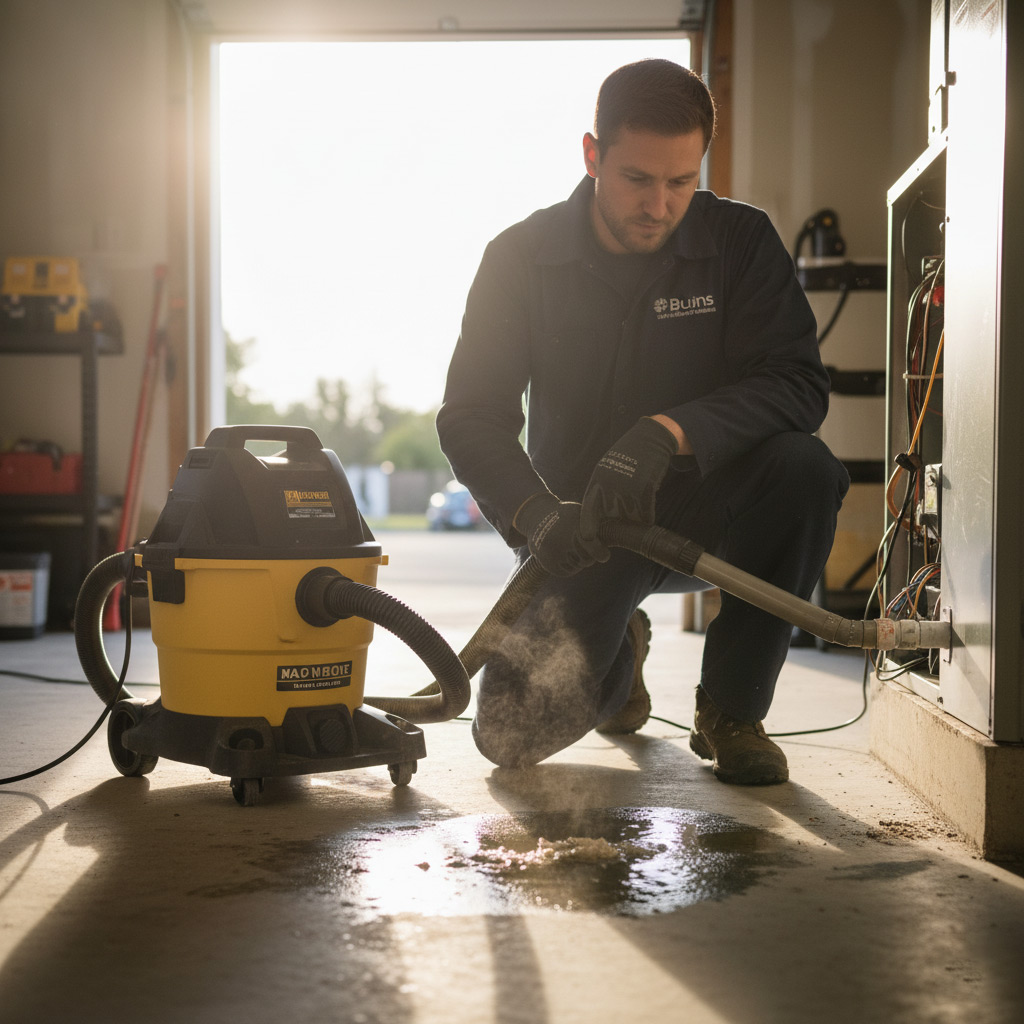
Picture this: it’s the dead of winter, the thermostat’s set to 72, and your furnace decides to throw a tantrum, blowing icy drafts while the repair estimate reads like a down payment on a new car. That gut‑punch feeling? It’s the exact scenario most Santa Clarita homeowners dread, and it’s usually the result of a simple mistake that could have been avoided.
From DIY fixes that turn a minor hiccup into a full‑blown emergency, to ignoring the early warning signs that seasoned techs spot in seconds, the pitfalls are plenty. The good news? You don’t need a degree in HVAC to sidestep them, you just need the right playbook.
Ready to protect your budget and keep the heat flowing smoothly? Keep reading and discover the proven steps that will save you time, money, and a lot of cold nights.
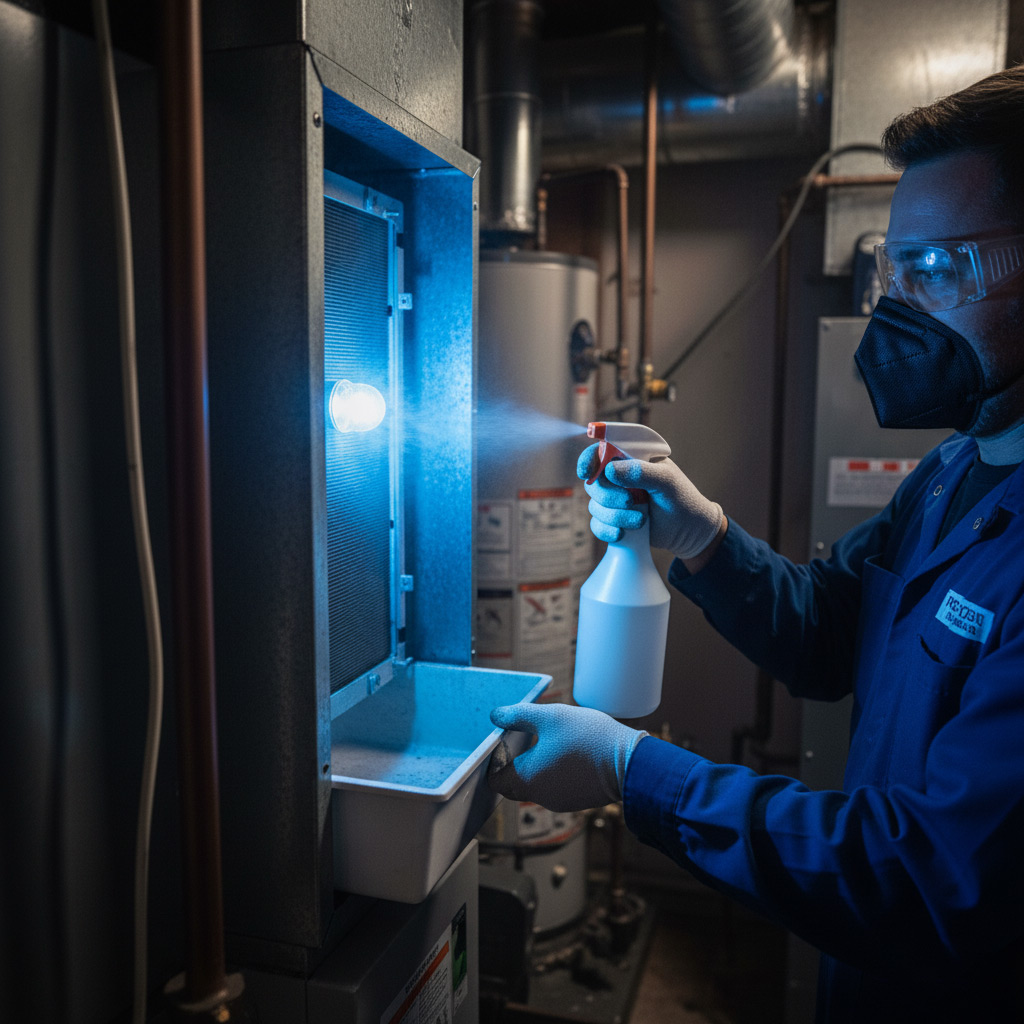
Common DIY Mistakes That Turn Small Issues Into Big Bills
Most homeowners think a quick fix saves cash, but a half‑hearted tweak can double the repair cost. Turning off the power before you poke around the furnace isn’t optional—it’s the first line of defense against blown fuses and fried control boards.
Typical DIY Slip‑Ups
- Using the wrong filter size – a tighter filter chokes airflow, forcing the blower to work harder.
- Cleaning the burners with a wire brush – you can gouge the metal and create a leak that later needs a full‑panel replacement.
- Over‑tightening screws on the heat exchanger – a cracked exchanger means a costly safety shutdown.
- Skipping the thermostat calibration – an inaccurate reading makes the system run longer, hiking the utility bill.
When you improvise with “home‑store” parts, you’re often buying a counterfeit that fails in weeks. Cheap isn’t cheap when it forces a service call and a replacement part order. Trust the brand, or you’ll pay twice.
Early Warning Signs Every Santa Clarita Homeowner Should Notice
When your furnace starts to act up, it often whispers before it shouts. Listen for a sudden drop in heat output—if rooms that were cozy suddenly feel drafty, the heat exchanger may be struggling.
Unusual Noises
A rattling or squealing sound isn’t just a nuisance; it’s a red flag. Those noises can mean a loose belt, a failing motor, or a clogged blower wheel. Don’t ignore it—the longer you wait, the more expensive the fix.
Strange Smells
If you catch a faint odor of burning plastic or a sour, metallic scent, it’s time to act. Those smells often signal overheating components or a cracked heat exchanger, both of which can become hazardous quickly.
Visible Issues
- Dust buildup on vents or around the furnace—blocks airflow and forces the system to work harder.
- Water pooling near the unit—could be a condensate line blockage or a cracked heat exchanger.
- Frequent cycling (on/off) every few minutes—means the thermostat or limit switch is confused.
Spotting these signs early lets you call a pro before the problem balloons into a $2,000 repair bill. In Santa Clarita’s chill, a little vigilance goes a long way.
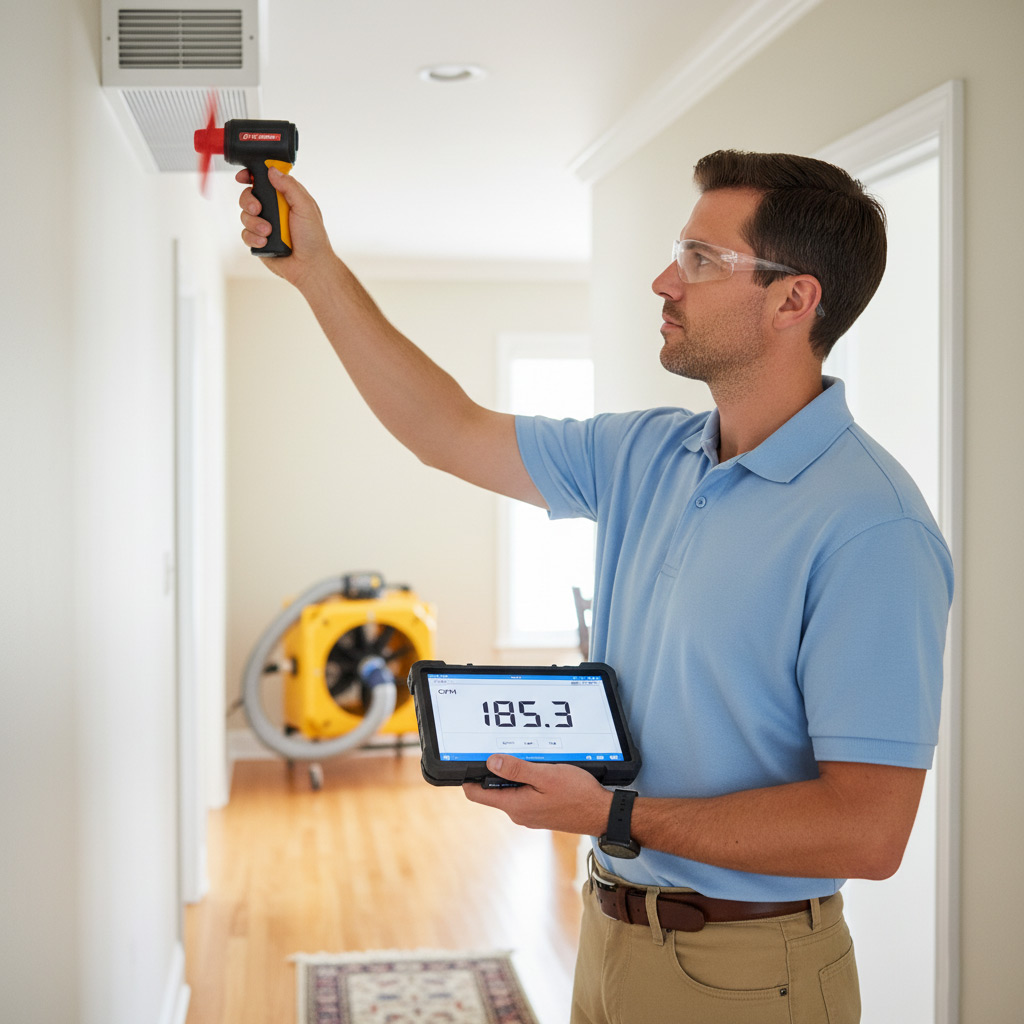
The Role of Routine Maintenance and Professional Inspections in Preventing Costly Repairs
Skipping the yearly check‑up is like driving a sports car without oil—eventually something gives. A qualified tech spots wear, leaks, and mis‑fires before they turn into a $2,000 repair bill. Regular maintenance is insurance for your wallet, not an optional extra.
What a 2‑Hour Check‑Up Covers
During a standard inspection, the pros run through a quick, focused list. They tighten connections, clean burners, and test safety controls. The goal? Keep the furnace humming and the thermostat happy.
- Filter swap – a clean filter improves airflow and cuts energy use.
- Heat exchanger inspection – catches cracks before carbon monoxide leaks.
- Blower motor lubrication – reduces wear and prevents noisy failures.
- Thermostat calibration – ensures you’re not over‑paying for heat.
When you schedule these visits, you also get a written report. That paper shows what was done and what needs attention next year. Having a record means you can prove maintenance was performed if a warranty claim ever comes up.
Selecting the Right Replacement Parts and Avoiding Counterfeit Components
When your furnace throws a fit, the first instinct is to grab the cheapest part you can find. That shortcut usually costs you twice as much when the fake fails weeks later. Stick with parts that carry the original equipment manufacturer (OEM) label, because they’re engineered to match your system’s tolerances and safety standards.
Red flags that a part isn’t genuine
- Price that looks too good to be true – most counterfeit parts are 30‑50% cheaper.
- Missing serial numbers or vague “model” tags.
- Packaging with spelling errors or low‑resolution logos.
- Suppliers who can’t provide a traceable warranty.
Don’t let a “deal” blind you. Ask for the part’s certification sheet and compare the specs to your furnace’s manual. If the numbers don’t line up, walk away.
How to verify authenticity before you buy
- Call the manufacturer’s customer service line and give them the part number.
- Purchase through a licensed HVAC dealer who keeps records of every transaction.
- Inspect the part for solid construction – cheap plastic housings are a giveaway.
- Check for a QR code or hologram that links back to the brand’s database.
When you’re in doubt, let a certified technician handle the replacement. They have the tools and the know‑how to spot a fake from a mile away, saving you from a repeat repair bill and a chilly night.
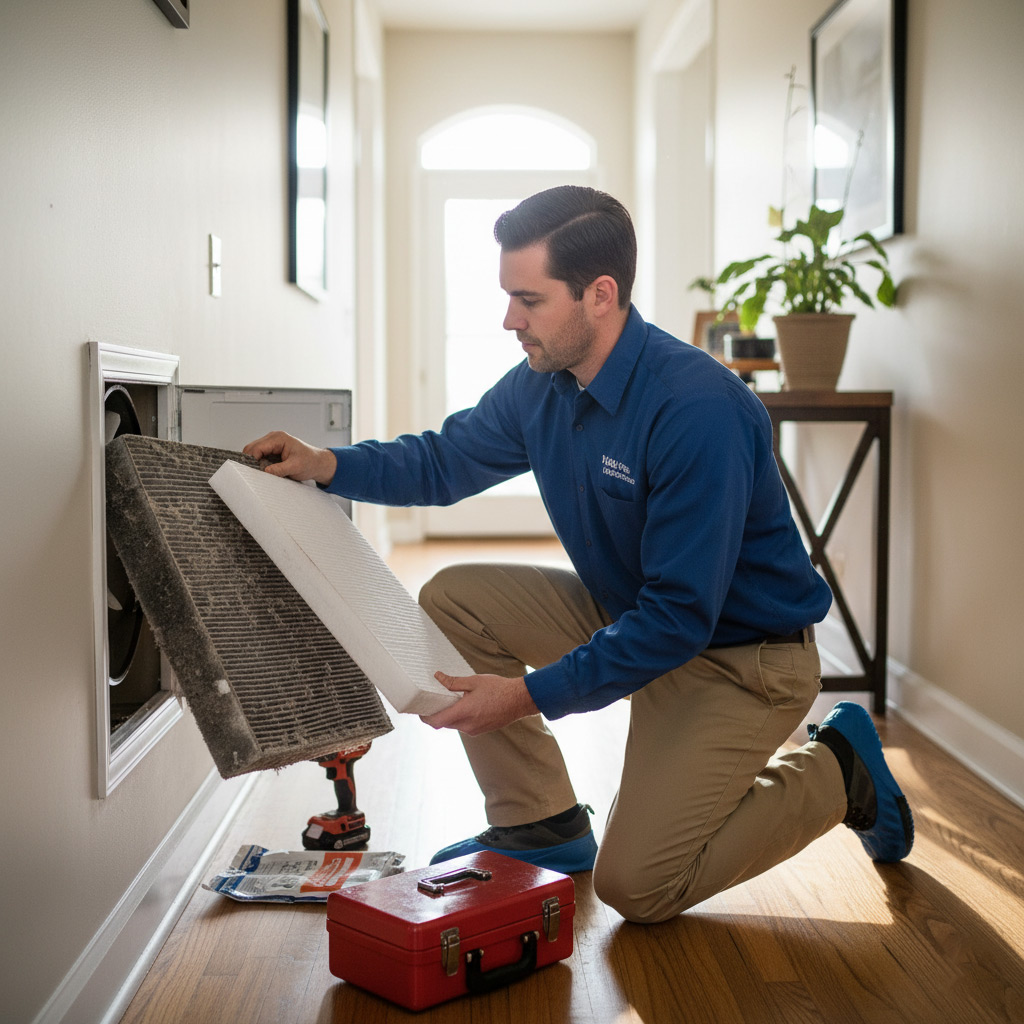
Knowing When to Call a Licensed HVAC Technician Instead of Going Solo
Red flags that demand a pro
If you hear rattling, smell gas, or see the furnace cycling on and off faster than a hummingbird’s wings, stop the DIY. Those symptoms aren’t just annoyances; they’re warning lights that a trained eye is needed.
- Strange odors – especially a sulfur or “rotten egg” scent.
- Rapid cycling – the unit turns on and off every few minutes.
- Visible leaks or corrosion on the heat exchanger.
The cost of guesswork
Trying to “fix” a cracked heat exchanger with duct tape might save a few bucks today, but it can lead to a catastrophic failure tomorrow. A mis‑wired thermostat or a busted pressure valve can turn a $200 repair into a $2,500 replacement.
- Improper refrigerant handling can void warranties.
- Incorrect torque on bolts may cause vibration damage.
- Unlicensed work can trigger insurance headaches.
Why a licensed tech wins
Licensed technicians bring state‑mandated training, up‑to‑date code knowledge, and liability coverage that DIYers simply don’t have. When they finish the job, you get a written guarantee and peace of mind that the system will run safely all winter.
- Access to OEM‑approved parts, not cheap knock‑offs.
- Ability to perform pressure tests and combustion analysis.
- Documentation that satisfies home‑sale inspections.
Case Study: How We Saved a Santa Clarita Homeowner $2,300 on Furnace Repair
The Situation
When the Martinez family called, their furnace was sputtering and the heat was barely a whisper. They’d already gotten a quote for a full‑blown replacement that would have set them back over $5,000. They were ready to pull the plug on their heating budget.
Our Approach
We sent a certified tech the same day. After a quick visual, he spotted a cracked heat‑exchanger gasket—a part that most DIY‑ers overlook. Instead of ripping out the whole unit, we proposed a targeted fix.
- Replace the gasket with a genuine OEM piece.
- Clean the burners and calibrate the flame sensor.
- Run a pressure test to confirm no leaks.
- Provide a 12‑month warranty on the repair.
The whole job took under two hours. No demolition, no chaos. The cost? $1,200 for parts and labor.
The Bottom Line
By catching the problem early and using the right part, we avoided a $3,500 replacement cost. The Martinez family walked away with a fully functional furnace and $2,300 left in their pocket. That’s the kind of win we love delivering in Santa Clarita.
Final Words
When the furnace hiccups, the temptation to grab a wrench and “fix it yourself” is strong. Resist the urge and remember that a small, smart move today can keep a big, painful bill out of your pocket tomorrow.
Quick Takeaways
- Spot the warning signs early – rattling, uneven heat, strange smells.
- Schedule a professional inspection at least once a year.
- Never gamble with counterfeit parts; they cost more in the long run.
- Know the line: if you’re unsure, call a licensed HVAC tech.
Got a question or need a second opinion? Our team lives and works in Santa Clarita, so we speak your language and understand the local climate. Check out our full suite of services under Heating System Repair and let us keep your home warm without the surprise costs
Santa Clarita HVAC is a trusted local provider of heating, ventilation, and air conditioning services in Santa Clarita, CA. With years of experience, their team delivers reliable solutions tailored to the unique needs of the community. Committed to quality and customer satisfaction, Santa Clarita HVAC ensures homes and businesses stay comfortable year-round. We provide fast, results‑focused services for residential and commercial projects throughout Santa Clarita and nearby ZIPs (91350, 91351, 91354, 91355, 91390). Our teams deliver completed work on schedule, so you can move forward without delay.People Also Ask
What are the most common DIY heating repair mistakes in Santa Clarita?
Many homeowners attempt to clean or replace furnace filters without turning off power, risking electrical shocks. They also often tighten gas connections themselves, which can cause leaks and expensive repairs.
How can I spot early warning signs of a failing heating system?
Listen for unusual noises, such as rattling or squealing, and watch for uneven heating or frequent cycling. A sudden increase in energy bills or a yellow pilot light are also red flags.
Why is routine maintenance essential for preventing costly furnace repairs?
Regular inspections catch wear and tear before they become major failures, extending equipment lifespan. Professional tune‑ups also keep the system operating at peak efficiency, lowering utility costs.
What should I look for when choosing replacement parts for my furnace?
Buy parts that are OEM (original equipment manufacturer) or certified by reputable brands, and avoid cheap knock‑offs that can cause further damage. Verify the part number matches your furnace model to ensure compatibility.
When is it time to call a licensed HVAC technician instead of fixing it myself?
If you notice gas odors, persistent short‑cycling, or error codes on the thermostat, stop DIY attempts and call a pro. Licensed technicians have the tools and certifications to safely diagnose and repair complex issues.
Need HVAC?