
Ever wonder why your AC throws a tantrum on the sweltering Santa Clarita afternoons while the house across the street stays ice‑cold? The truth is, most homeowners never see the playbook the local pros keep under lock and key.
Those same technicians have a handful of shortcuts—simple diagnostics, hidden settings, and little‑known parts—that can turn a failing system back into a reliable workhorse. Most of us never learn them because the big companies keep the knowledge to themselves.
Stay with me and you’ll uncover the exact moves they use to get a busted unit humming again in record time, without the usual price tag.
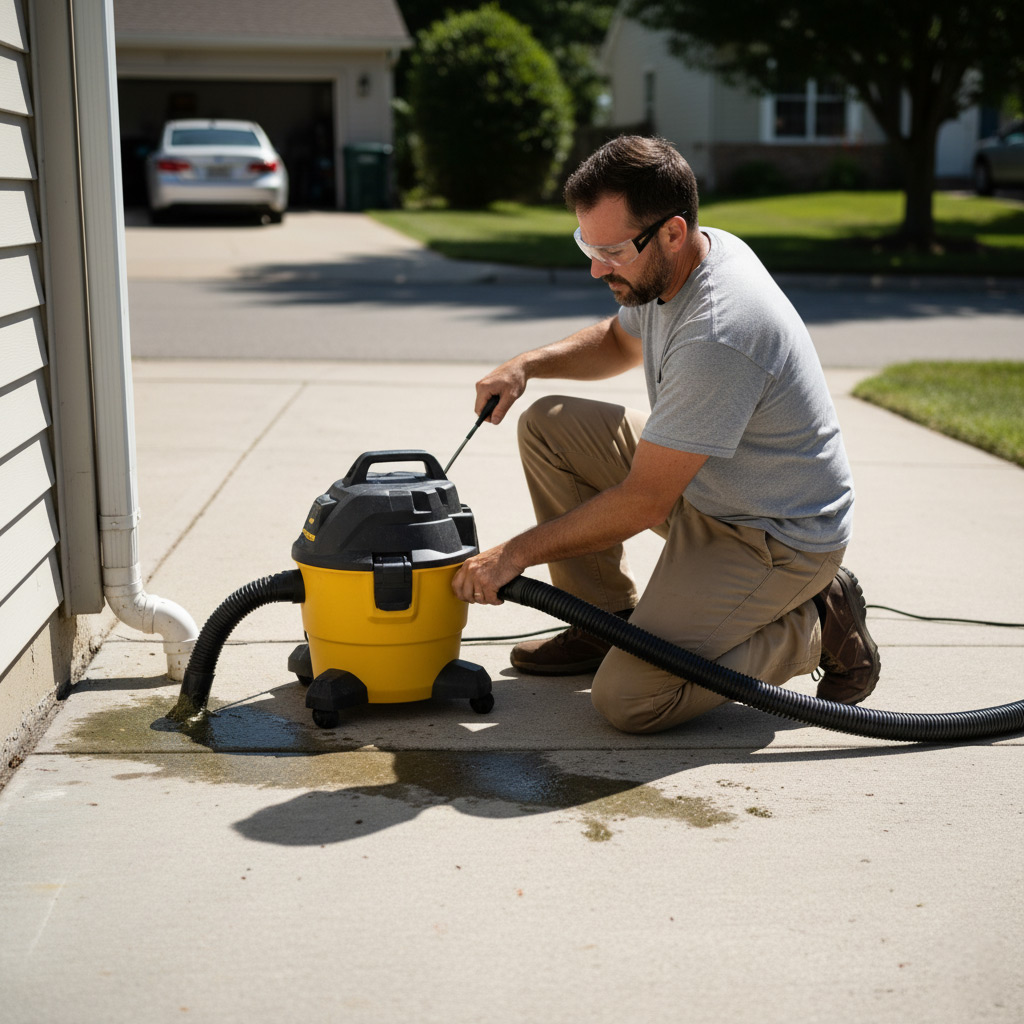
The Hidden Settings Most Technicians Adjust First
Before they even crack open the unit, seasoned techs flip a few “secret” switches that most homeowners never see. Those tweaks can shave off a ton of wasted energy and stop the unit from short‑cycling on a scorching Santa Clarita afternoon.
Thermostat Calibration
Most digital thermostats sit a few degrees off the mark. A quick recalibration aligns the sensor with the actual room temperature, letting the compressor run just long enough to hit the set point.
- Check the offset in the thermostat menu – look for “temperature correction” or “calibration”.
- Set the offset to +0.5°F if the unit feels warmer than the display.
- Save and let the system run for 30 minutes before re‑testing.
Fan & Compressor Trim
Factory defaults often favor safety over efficiency. Adjusting the fan speed and compressor trim can boost airflow without overworking the motor.
- Locate the fan speed selector on the control board – most units have low, medium, high.
- Set it to medium for residential units; high is usually reserved for commercial loads.
- Fine‑tune the compressor trim knob (if present) a notch down to reduce start‑up current.
Quick Diagnostic Tools Every Homeowner Can Use
Before you dial the next “24‑hour emergency” number, grab a few cheap gadgets and you’ll know if the problem is a simple fix or a real nightmare. It’s like having a mechanic’s cheat sheet in your pocket.
Thermometer & Hygrometer
These two devices tell you whether the air coming out of the vents is actually cold and if the humidity is out of whack. A digital probe that snaps onto the vent can reveal a 10‑degree swing that most people miss.
- Infrared thermometer – point, read, compare indoor vs. outdoor.
- Portable hygrometer – spot high moisture that makes the AC work harder.
- Thermostat check – make sure the set temperature matches the reading.
Smartphone Apps & Voltage Tester
Modern phones are secret weapons. Apps that read Bluetooth‑enabled thermostats or show power draw give you a snapshot of the system’s health.
- Energy monitor app – see if the unit spikes when it should be steady.
- Non‑contact voltage tester – a quick buzz tells you if the compressor is getting power.
- Airflow meter (anemometer) – a few seconds over the supply grille shows if the fan is choking.

Little‑Known Replacement Parts That Save Money
Most Santa Clarita homeowners think a busted AC means a brand‑new unit. The truth? A handful of inexpensive components can bring a tired system back to life, and the pros keep them under the radar.
Capacitor Swaps
That little metal can‑ister sits behind the panel, ready to jump the start‑up voltage. When it’s weak, the compressor sputters, the fan drags, and you’re left sweating.
- Standard electrolytic caps run $15‑$30 and last 5‑7 years.
- Dual‑run caps handle both fan and compressor, cutting the need for two separate parts.
- Testing with a multimeter takes under a minute—no need to call a tech for a $200 diagnosis.
Thermostat & Sensor Hacks
Thermostats are the brain, but the brain can be fooled by a cheap sensor glitch. Replacing a faulty outdoor sensor or a mis‑reading indoor probe can shave 10‑15 % off your electric bill.
- Thermistor replacements are $10‑$25 and often solve “won’t cool” complaints.
- Smart‑control modules let you recalibrate without a service call.
- Many units use a universal sensor that fits multiple brands—ask your tech for the cross‑reference chart.
How to Reset Your AC’s Smart Controls for Peak Performance
Why a Reset Helps
Smart thermostats love to learn your habits, but they also collect glitches. A quick reset wipes the cobwebs and lets the system start fresh, often restoring lost efficiency.
When you hit the reset button you’ll notice:
- Cleaner communication between the indoor unit and the outdoor condenser.
- Reduced “short‑cycle” warnings that drive up electricity bills.
- Faster response when you change the temperature set‑point.
Step‑by‑Step Reset
Grab your phone or the wall panel and follow these three moves. No need to call a tech unless you hit a wall.
- Turn the thermostat off for 30 seconds. Power‑down forces the firmware to clear its cache.
- Press and hold the “reset” or “restart” button (usually a tiny pinhole) for 5 seconds. You’ll hear a soft beep.
- Power the unit back on and let it run through its self‑check. The display will flash the Wi‑Fi icon, then settle on the current temperature.
Fine‑Tune After Reset
Now that the brain is rebooted, give it a quick once‑over to lock in the sweet spot.
- Set the mode to “Cool” and the fan to “Auto.” This lets the system decide the best airflow.
- Enter a temperature that’s 2‑3 °F higher than your usual setting. The compressor will run less, saving cash.
- Check the app for any firmware updates. A fresh update can add new energy‑saving features.
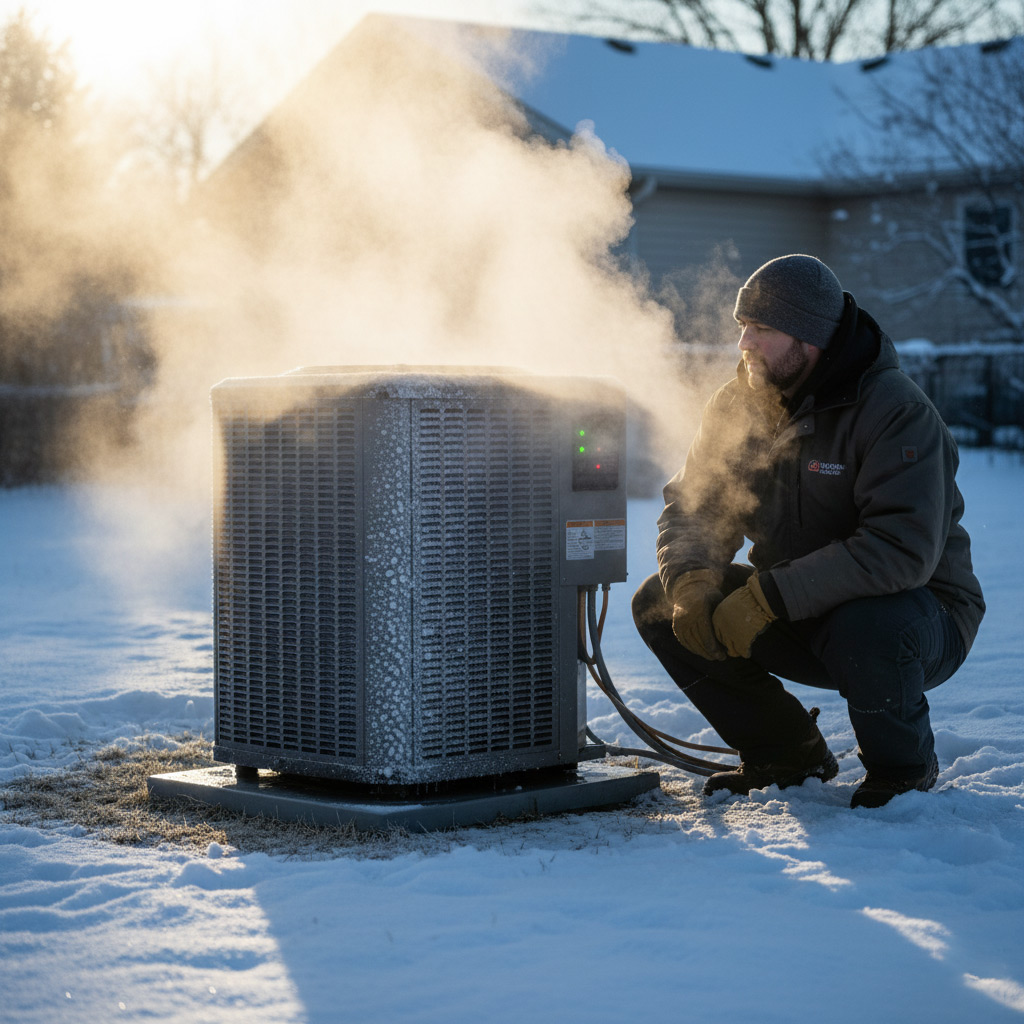
The “Three‑Step” Fix for Common Compressor Issues
Step 1 – Power Check & Reset
First thing, make sure the unit actually sees power. Flip the main breaker, wait 30 seconds, then flip it back. This simple reset can clear a stuck start capacitor and often revives a silent compressor.
While you’re at it, inspect the disconnect box for any loose wires. A quick tighten with a screwdriver can prevent intermittent voltage drops that make the compressor choke.
Step 2 – Clean the Refrigerant Lines
Dust and debris on the suction line act like a choke. Use a soft brush and a garden hose to spray off grime, then wipe dry with a rag.
- Watch for oil stains – they signal a leak.
- Check the line insulation – damaged sleeves cause the compressor to overheat.
After cleaning, let the lines sit for five minutes. This gives the refrigerant a chance to settle before you power the unit again.
Step 3 – Verify the Pressure Switch
The pressure switch is the compressor’s safety guard. If it’s stuck closed, the motor won’t start; if it’s stuck open, the unit will shut down instantly.
Remove the switch, tap it lightly, and listen for a click. If you hear nothing, replace it with a new OEM part. A fresh switch restores the proper pressure balance and lets the compressor run smooth.
Case Study: Restoring a Failing 3‑Ton Unit to Reliable Service in Santa Clarita
The Situation
When the Martinez family called, their 3‑ton split‑system was cycling on and off every five minutes, leaving the living room sweating while the bedroom stayed chilly.
They’d already tried a DIY reset, but the unit kept tripping the high‑pressure switch. The problem? A hidden refrigerant leak and a clogged condenser coil.
The Diagnosis
Our tech ran a quick pressure check, then pulled the service panel to inspect the coil. The findings were clear:
- Low suction pressure – a sign of a leak.
- Dirty fins – reduced airflow, causing the high‑pressure alarm.
- Worn start‑capacitor – the compressor was struggling to kick in.
The Fix
We tackled each issue in a three‑step sprint, keeping the homeowner’s budget in mind.
- Replace the start‑capacitor and recharge the system with the exact amount of R‑410A the manufacturer specifies.
- Clean the condenser coil with a soft brush and a low‑pressure spray, restoring proper airflow.
- Apply a UV‑detectable sealant to the leak site, then pressure‑test to confirm it’s sealed.
Within two hours the unit was humming steady, and the Martinez family felt the difference immediately. The fix saved them a full replacement cost and got their home back to a comfortable 72°F on a scorching Santa Clarita afternoon.
Final Words
When you know the tricks the pros keep hidden, you stop paying for guesswork. Apply the shortcuts you just learned, and you’ll watch your AC bounce back faster than a summer storm.
Take Action Today
- Check the hidden thermostat settings before you call.
- Run a quick voltage test with a multimeter – it’s safer than you think.
- Swap out the low‑cost capacitor you spotted in the guide.
Got a stubborn unit that still won’t cooperate? Don’t waste another dollar on a generic service call. Reach out to a local specialist who lives in Santa Clarita and knows the exact parts that keep our climate comfortable. For more insider tips, explore our Air Conditioning Repair page.
People Also Ask
What hidden settings do HVAC technicians adjust first when repairing an AC?
Technicians often start by calibrating the thermostat’s temperature offset and fine‑tuning the fan speed control. These subtle adjustments can correct uneven cooling and improve energy efficiency before any major parts are replaced.Can homeowners use quick diagnostic tools to identify AC problems?
Yes, a simple digital thermometer, a multimeter, and a refrigerant pressure gauge can reveal temperature differentials, electrical faults, and low‑charge issues. These tools help you pinpoint the problem and communicate it clearly to a professional.Which little‑known replacement parts can save money on AC repairs?
Replacing a faulty capacitor, a clogged condensate drain line, or a worn-out fan blade can often restore performance without a full system overhaul. These inexpensive parts are commonly overlooked but have a big impact on efficiency.How do I reset my AC’s smart controls for optimal performance?
Turn off power at the breaker for 30 seconds, then restart the unit and re‑enter the factory default settings in the app. After the reset, run a calibration routine to sync the smart thermostat with the indoor and outdoor sensors.What is the “three‑step” fix for common compressor issues?
First, verify proper voltage and clean the electrical contacts. Second, check and replace the start capacitor if needed. Finally, ensure the refrigerant charge is within manufacturer specifications and recharge if it’s low.
John Doe is a seasoned HVAC technician with over 15 years of experience serving the Santa Clarita community. Specializing in energy-efficient solutions, he is dedicated to providing reliable heating and cooling services tailored to local needs. John’s expertise ensures every project is completed with precision and care.
Need HVAC?
We provide fast, results‑focused services for residential and commercial projects throughout Santa Clarita and nearby ZIPs (91350, 91351, 91354, 91355, 91390). Our teams deliver completed work on schedule, so you can move forward without delay.
Request a fast quote