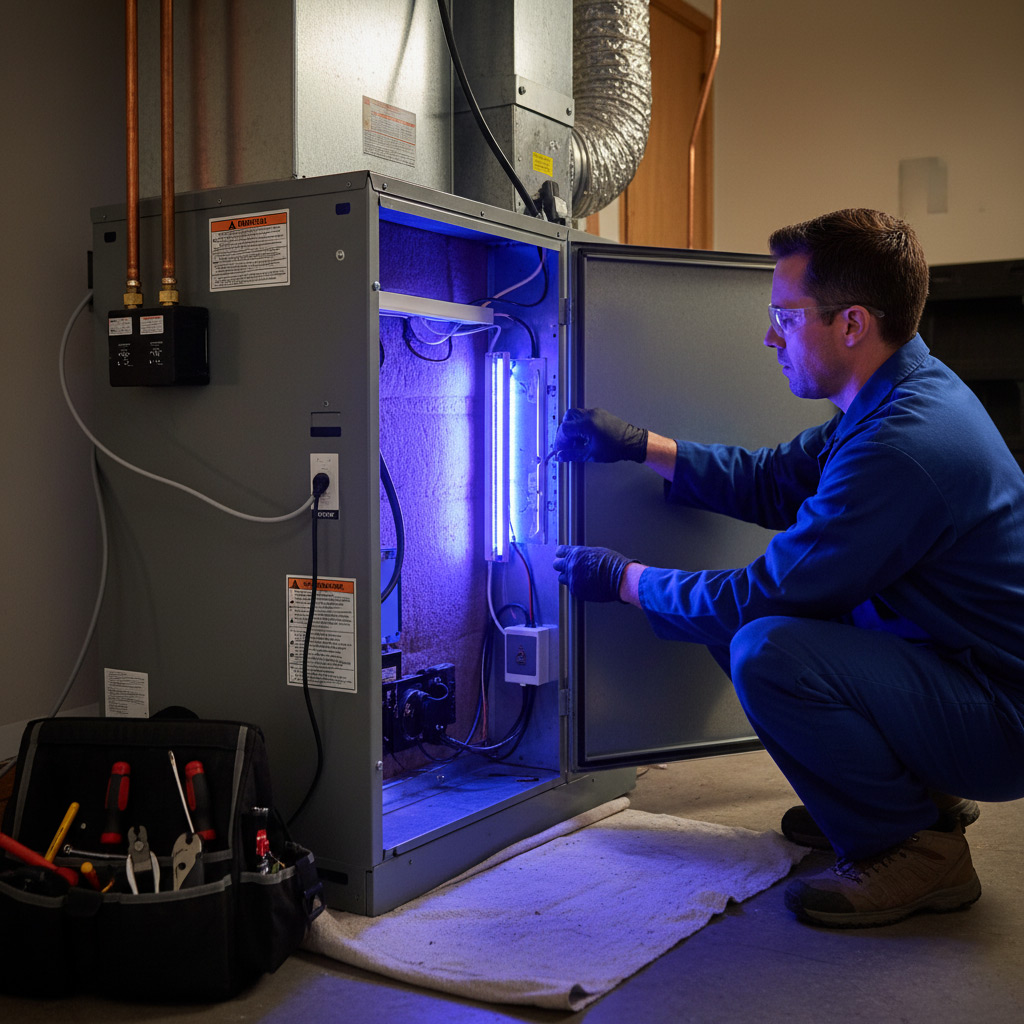
That clanking noise you hear every summer isn’t just annoying—it’s a neon sign that something’s about to go sideways, and you might be on the brink of splurging on a brand‑new HVAC system you don’t really need.
Before you sign any paperwork, there are five tell‑tale signs that say “hold up” and force you to dig deeper. Ignoring them can turn a smart upgrade into a costly mistake that haunts you when the first bill arrives.
Spot these red flags now, and you’ll keep your wallet happy while getting the right system for Santa Clarita’s climate—ready to find out what they are?
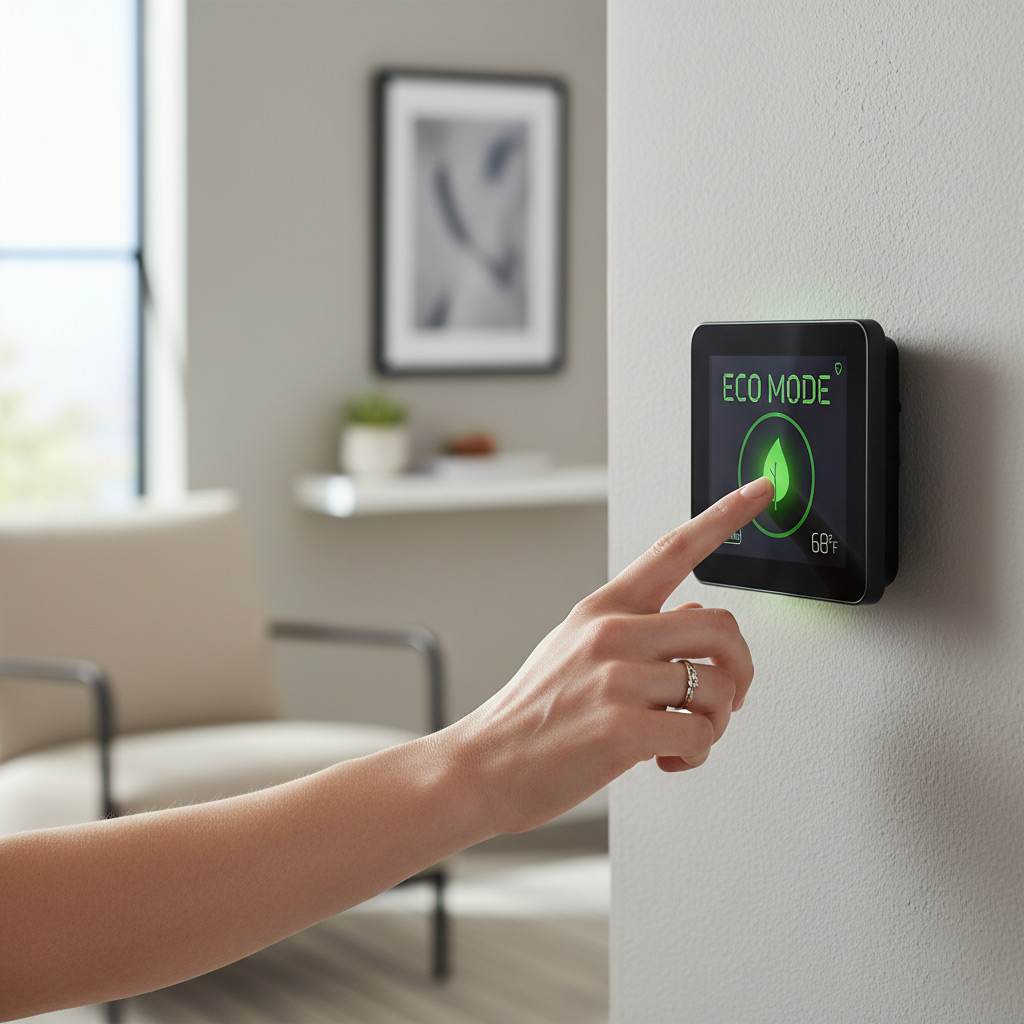
Red Flag #1: Sky‑rocketing Energy Bills Signal Inefficiency
When your electric bill jumps higher than a Santa Clarita summer temperature, it’s a loud alarm that your HVAC is guzzling power like a thirsty mule. The system is working harder than it should, and every extra kilowatt‑hour is bleeding your wallet.
What’s really happening behind the numbers?
Old coils, clogged filters, or a failing thermostat can force the furnace or AC to run longer cycles. The result? Higher consumption without a noticeable boost in comfort. Look for these tell‑tale signs:
- Consistently high usage even on mild days
- Sudden spikes after a routine service
- Utility bills that outpace neighborhood averages
Before you rush to replace the whole unit, get a professional to run a SEER or AFUE audit. A quick diagnostic can reveal a simple fix—like a sealed duct or a new filter—that slashes the bill by 15‑20%.
Red Flag #2: Frequent Breakdowns and Short‑Lived Repairs
When your HVAC unit throws a tantrum every few weeks, it’s not just an annoyance—it’s a warning sign that the system is on its last legs. Repeated call‑outs mean the core components are wearing out faster than they should.
Symptoms to watch
- Cold air on a scorching day
- Strange noises that come and go
- Thermostat flashing error codes more often than not
- Service techs returning with the same replacement part
Each time a technician patches a problem, they’re treating a symptom, not the disease. The fix may work for a week, then the next issue pops up, and you’re back on the phone.
Why short‑lived fixes drain your wallet
- Labor charges add up faster than a new unit’s price tag.
- Parts wear out sooner when the system is already stressed.
- Energy waste spikes because the unit never runs at peak performance.
In Santa Clarita’s hot summers, a half‑functioning HVAC can turn your home into a sauna. If you’re paying for repairs that don’t stick, it’s time to ask yourself: Is a replacement really cheaper in the long run?
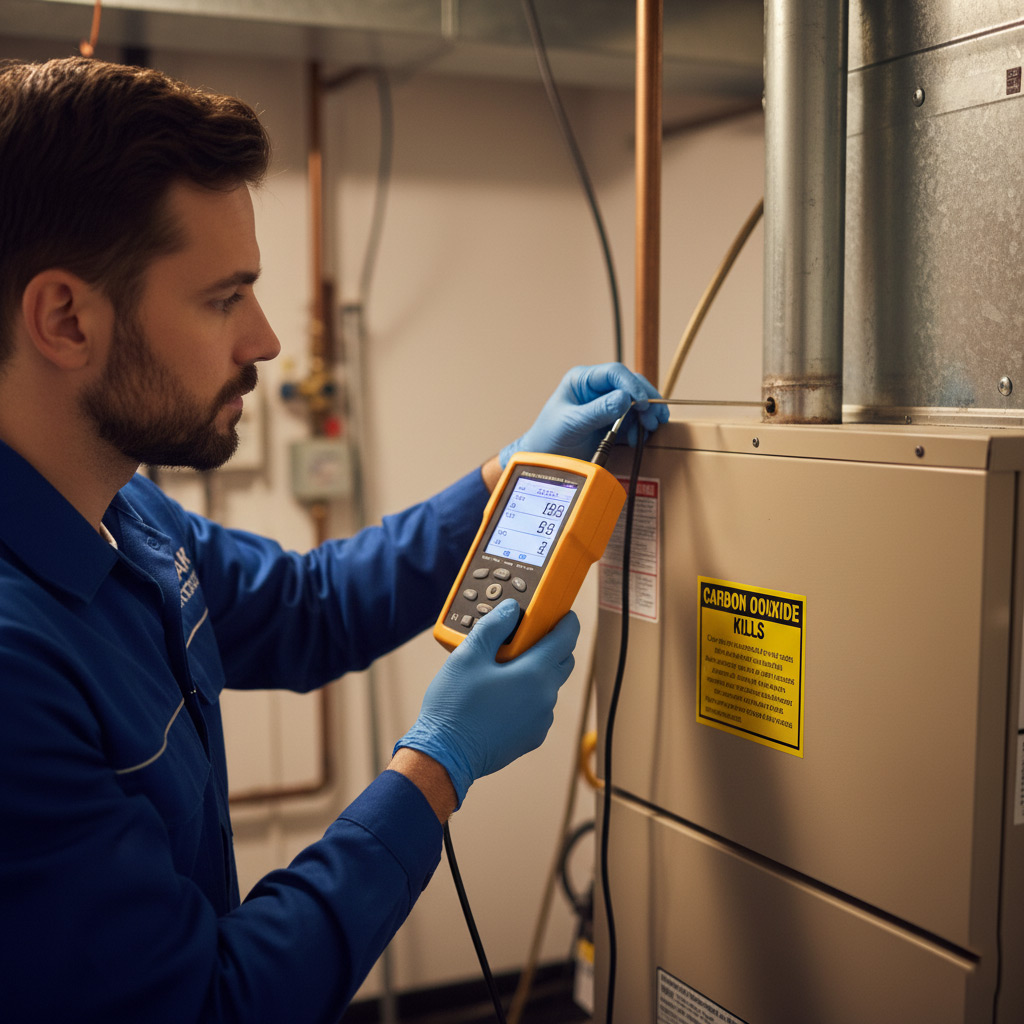
Red Flag #3: Uneven Temperature Zones and Comfort Gaps
One room feels like a sauna while the next one shivers. That’s not a design flaw—it’s a warning sign that your system is fighting a losing battle. Before you throw money at a new unit, figure out why the air isn’t spreading evenly.
What It Looks Like
- Cold spots near windows or exterior walls.
- Hot pockets under ceiling fans or near vents.
- Thermostat readings that jump 10 °F or more from room to room.
These gaps usually stem from duct leaks, blocked registers, or an ill‑sized blower. A quick inspection can reveal a cracked duct or a filter choking the flow. Fixing those issues often restores balance without a full‑blown replacement.
If you ignore the problem, you’ll keep paying for a system that works hard but never delivers. Addressing the root cause now saves you from a pricey upgrade later.
Red Flag #4: Outdated or Undersized Equipment for Santa Clarita’s Climate
Why Age Matters
Units that were built a decade ago were engineered for a different set of standards. Materials wear, refrigerant tech changes, and efficiency ratings drop. In Santa Clarita’s hot‑dry summers, an old system can’t keep up, and you’ll feel it in every room.
- Compressor coils corrode after years of exposure.
- Legacy refrigerants like R‑22 are being phased out, making repairs pricey.
- Older fans run slower, so airflow stalls when you need it most.
When the Unit Is Too Small
An undersized furnace or AC fights a losing battle against the valley’s temperature swings. It runs nonstop, spikes your electric bill, and still leaves hot spots. The result? You’re paying for comfort you never actually get.
- Short‑cycling: the system turns on and off every few minutes.
- Uneven cooling—some rooms stay warm while others are ice‑cold.
- Premature wear on components because they’re constantly over‑working.
What to Do Before You Pull the Trigger
Ask any reputable HVAC pro for a Manual J load calculation. That’s the science‑based way to match capacity to your home’s square footage, insulation, and sun exposure. A properly sized, modern unit will pay for itself in lower bills and fewer repair calls.
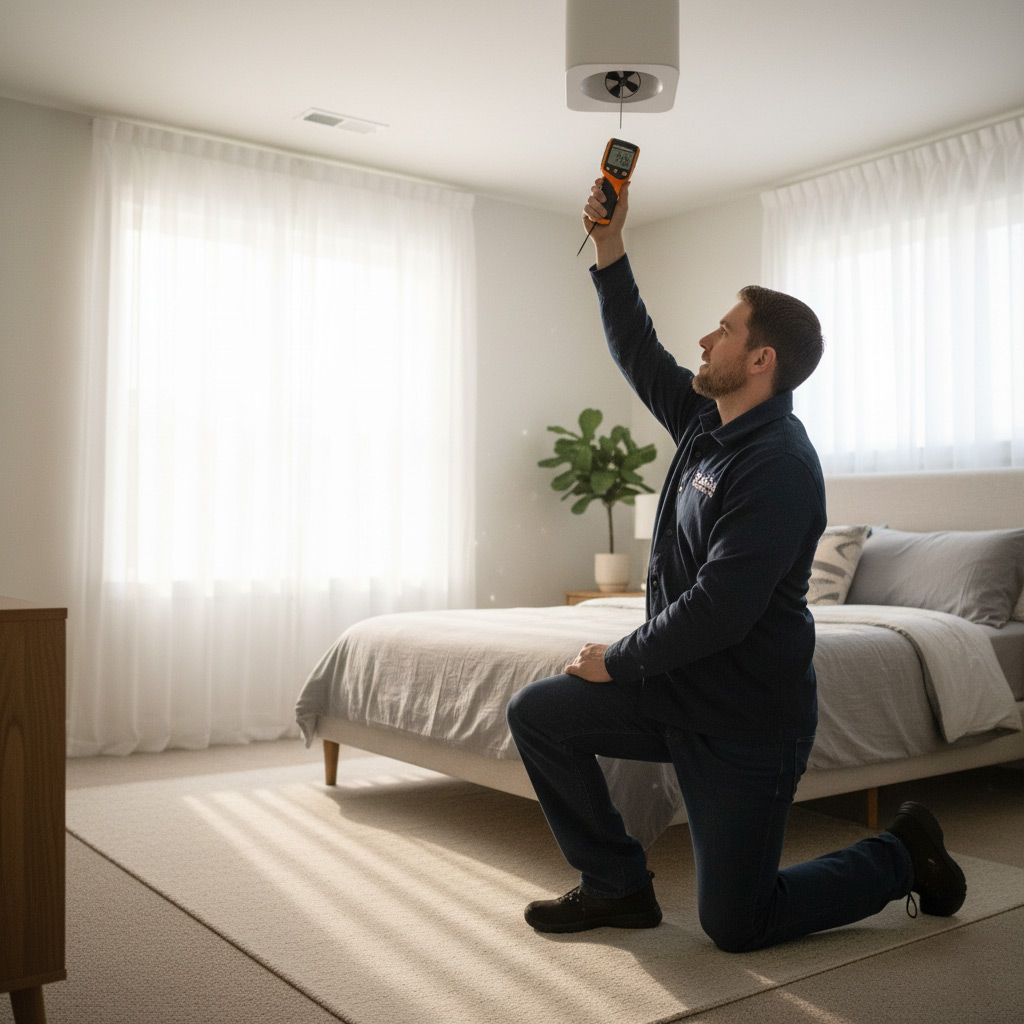
Red Flag #5: Missing or Incomplete Maintenance Records
When the paperwork is thin, the risk is thick. A homeowner who can’t produce a full service history is basically flying blind, and that’s a warning sign you shouldn’t ignore. Without proof of regular check‑ups, you can’t tell if the unit has been neglected or if a hidden problem is lurking.
What a Complete Log Looks Like
A solid maintenance file reads like a checklist that a pro signed off on. It should include:
- Date of each service visit – you’ll see a pattern of annual or bi‑annual care.
- Details of what was inspected – filters, coils, refrigerant levels, electrical connections.
- Any repairs performed and the parts replaced.
- Recommendations for future work and the technician’s signature.
If any of those items are missing, the system’s health is a mystery. That uncertainty gives contractors a chance to push a full replacement instead of a targeted fix, and you end up paying for a brand‑new unit you didn’t truly need.
The fix is simple: demand the records before you sign anything. Ask your current service provider for a copy, or request a “pre‑sale audit” from a reputable Santa Clarita HVAC company. Having the paperwork in hand puts the power back in your hands and forces the conversation toward real solutions, not just a pricey upgrade.
Case Study: Avoiding an Unnecessary Replacement Saved a Santa Clarita Homeowner $3,200
The Situation
When the Martinez family called, they’d already booked a new 5‑ton unit. Their current furnace was making a rattling noise, and the quote was $12,500.
Before signing, they asked us to run a quick audit. That simple step saved them a small fortune.
The Investigation
Our tech spotted three classic red flags:
- Energy spikes that matched a clogged filter, not a dying compressor.
- Repeated short‑run cycles caused by a thermostat placed in direct sunlight.
- Missing maintenance logs – the system hadn’t been serviced in 18 months.
Each issue had a cheap fix. A $150 filter, a $200 thermostat relocation, and a $300 tune‑up cleared the problem.
The Outcome
After the fixes, the Martinez’s energy bill dropped 22% and the unit ran quietly for weeks. They postponed the replacement, keeping $3,200 in their pocket for a future upgrade when the system truly needed it.
Lesson learned: a quick check can turn a $12k “must‑replace” into a $300 maintenance job. Don’t rush the decision.
Final Words
Before you hand over a check for a brand‑new unit, make sure you’ve run the red‑flag checklist at least twice. A quick audit can save you from a $5,000 mistake and keep your home comfortable all year long.
What to Do Next
- Grab your last three utility bills and compare usage trends.
- Schedule a free diagnostic with a certified Santa Clarita technician.
- Ask for a written maintenance log – if they can’t produce one, walk away.
- Cross‑check the proposed system size against HVAC Replacement guidelines for our climate.
When you follow these steps, you’ll walk into any sales meeting armed with facts, not fear. That confidence translates into better deals, smarter equipment choices, and a system that actually earns its keep.
People Also Ask
What are the signs that my HVAC system is costing too much to run?
A sudden spike in monthly energy bills often means the system is working harder than it should. Inefficient compressors, clogged filters, or aging components can drive up electricity usage.How often should an HVAC unit break down before it’s time to replace it?
If you’re experiencing more than two major breakdowns per year, it’s a red flag. Frequent repairs indicate the system is nearing the end of its useful life.Why do some rooms feel hotter or colder than others in a Santa Clarita home?
Uneven temperature zones usually stem from poor airflow, duct leaks, or an undersized unit. These issues can’t always be fixed with a simple thermostat adjustment.Is an older HVAC system still suitable for Santa Clarita’s hot summers?
Older units often lack the capacity to handle the region’s high heat and humidity. Upgrading to a modern, properly sized system improves comfort and efficiency.Do I need maintenance records to decide on an HVAC replacement?
Complete service logs show how well the system has been cared for and help technicians diagnose problems. Missing records make it harder to determine if a repair or replacement is the smarter investment.
Santa Clarita HVAC brings over 15 years of residential and commercial climate‑control expertise to the Santa Clarita community. Their certified technicians specialize in energy‑efficient heating, cooling, and indoor‑air‑quality solutions tailored to local climate demands. Committed to reliable service, they prioritize prompt response and transparent communication for every project.
Need HVAC?
We provide fast, results‑focused services for residential and commercial projects throughout Santa Clarita and nearby ZIPs (91350, 91351, 91354, 91355, 91390). Our teams deliver completed work on schedule, so you can move forward without delay.
Request a fast quote